
The global water and wastewater industry is undergoing a profound transformation. Aging infrastructure, tightening environmental regulations, and the urgent need for energy efficiency are driving unprecedented demand for intelligent automation. At the heart of this evolution lies the smart electric actuator, a technology that is fundamentally reshaping how water utilities and industrial facilities manage flow, pressure, and process control.
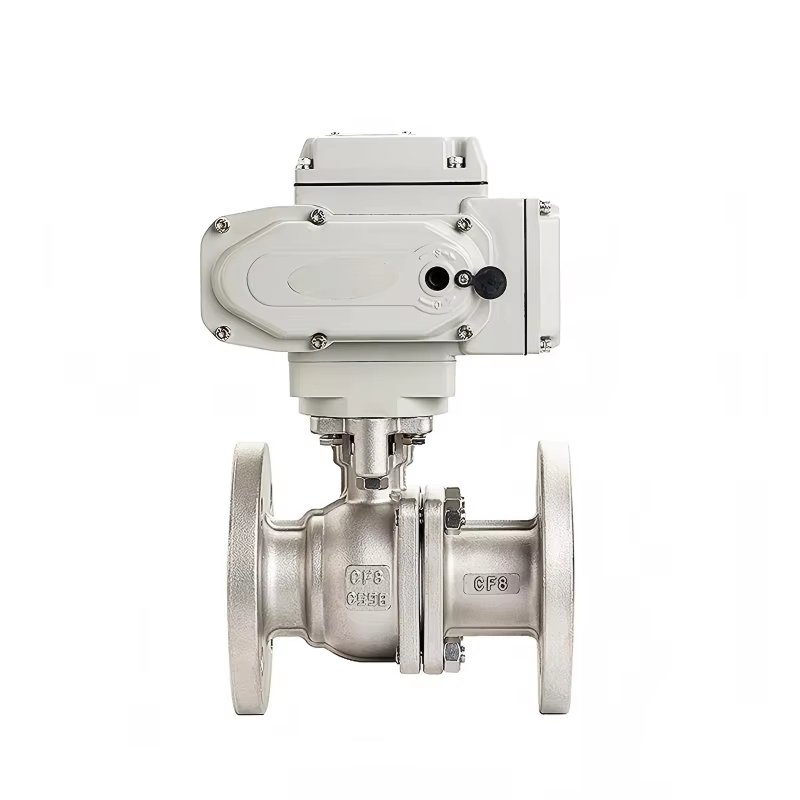
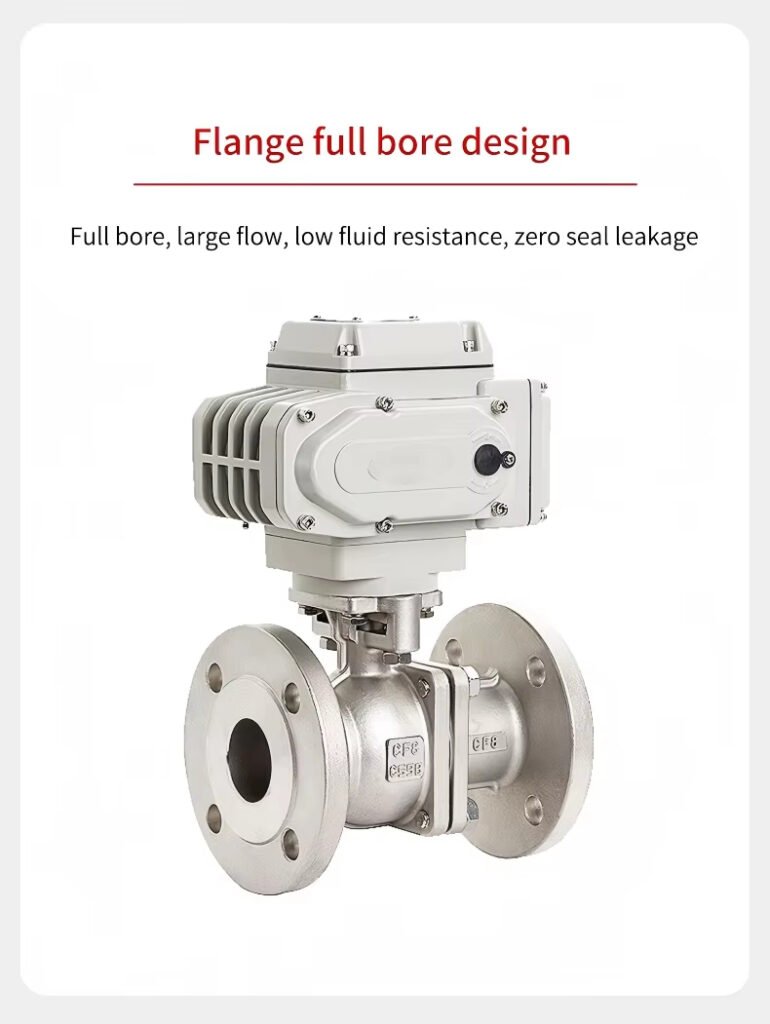
In this post, we’ll explore how electric valve actuators are revolutionizing water treatment applications, examine the latest market trends driving adoption, and highlight why BESTONE‘s long-life, compact design actuators are the preferred choice for demanding water infrastructure projects.
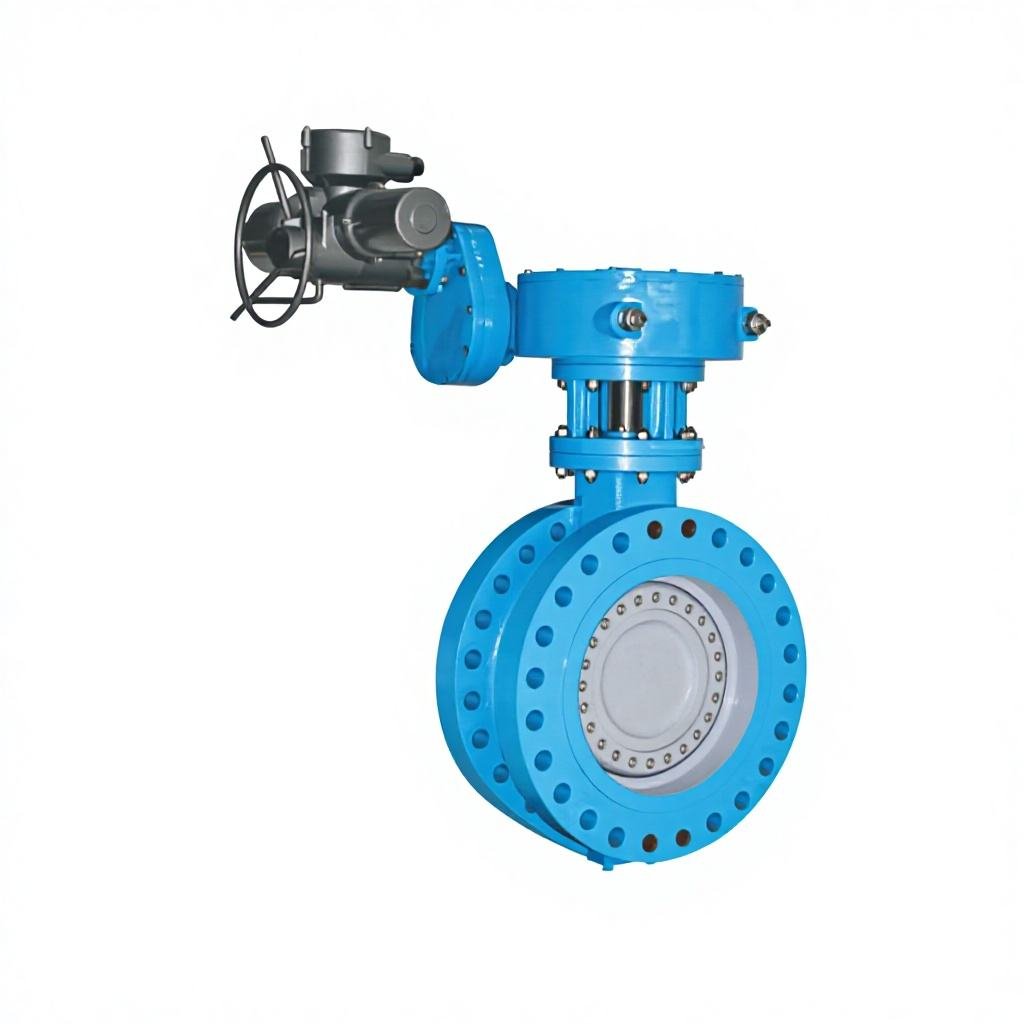
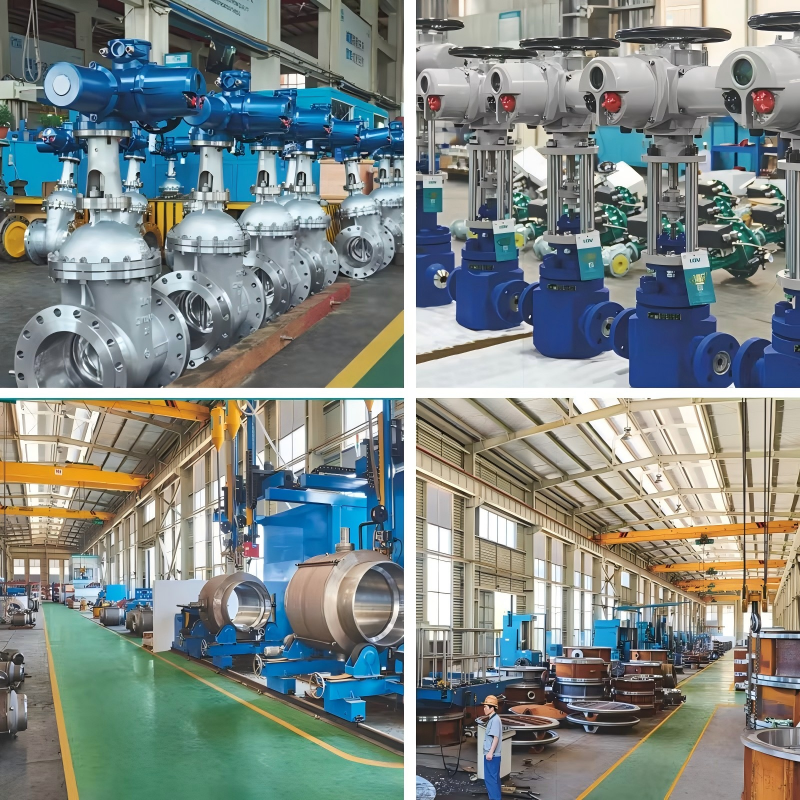
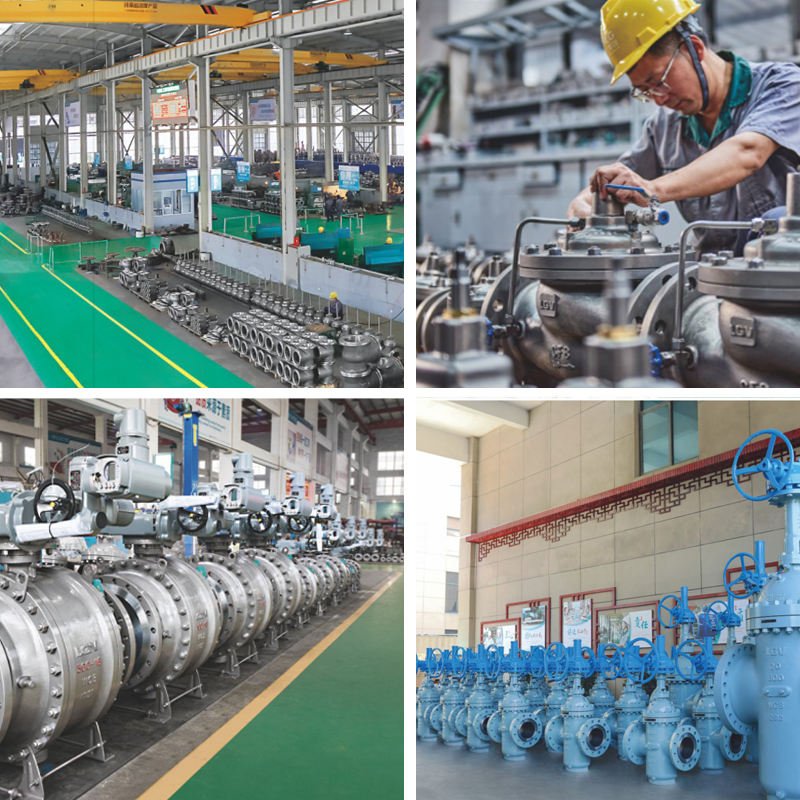
TL;DR – Key Takeaways for Water Industry Professionals
1. Market Significance: Water treatment is a primary growth sector for electric actuators, with the water and wastewater segment valued at approximately $600 million in 2024, projected to reach $1 billion by 2035. The global electric actuator market exceeds $2.5 billion.
2. Critical Applications: Electric actuators control billions of gallons of water daily across drinking water treatment, wastewater processing, desalination, cooling water circuits, and flood protection systems.
3. Precision Control: Modern actuators support 4-20mA and 2-10V control signals with communication protocols including Modbus, Profibus, Profinet, and EtherNet/IP for seamless SCADA and BMS integration.
4. Key Drivers: Digitalization, energy efficiency, and predictive maintenance are reshaping the industry. Intelligent actuators now function as field devices with real-time diagnostic capabilities.
5. BESTONE Advantage: Our actuators deliver exceptional durability, compact design, and comprehensive technical support—ensuring reliable, cost-effective operation in the harshest water treatment environments.
The Water Treatment Landscape: Why Electric Actuators Are Essential
Water and wastewater treatment facilities represent one of the largest and most critical application areas for industrial valves and actuators. These systems control the flow of billions of gallons of water daily, operating under high pressures, extreme temperatures, and corrosive conditions. Electric actuators have become indispensable because they provide:
- Consistent accuracy and precision where even minor failures can have critical safety and financial consequences
- Low maintenance requirements compared to hydraulic or pneumatic alternatives
- Environmental compliance no hydraulic fluids that can leak and contaminate surrounding ecosystems
- Seamless integration with modern digital control architectures
- The water sector has historically prioritized robustness and long service life, but today’s operators demand more: intelligent functionalities, condition monitoring, and lifecycle optimization.
Key Applications: Where Electric Actuators Make the Difference
Drinking Water Treatment
Electric actuators regulate valves throughout the water purification process, from raw water intake through filtration and chemical dosing to finished water distribution. They ensure precise control of flow rates and chemical additions, maintaining water quality standards and protecting public health.
Municipal and Industrial Wastewater Treatment
Wastewater facilities face the harshest conditions in the industry. Suspended solids, abrasive particles, and chemically aggressive media demand robust construction and corrosion-resistant materials. Electric actuators control:
- Aeration processes precise regulation of air flow to biological treatment systems
- Sludge handling automating shut-off and regulation valves
- Primary screening gentle, variable-speed actuation of large contactors
A notable example is the Beckton sewage treatment plant in London—one of Europe’s largest wastewater facilities—which has modernized its drive technology with variable-speed electric actuators. These systems enable slow start-up and gentle deceleration, reducing mechanical stress and extending the service life of critical plant components.
Continuous Underwater Applications
In flood-prone areas and facilities requiring submersible operation, electric actuators offer distinct advantages over hydraulic alternatives. Continuously submersible electric actuators can operate at depths up to 197 feet (60 meters) for more than 96 hours. They feature:
- Double seals on bearings, frame, and cable glands to prevent water ingress
- Corrosion-resistant coatings for marine, brackish, and saline environments
- Non-intrusive controls with digital communication for remote operation
Desalination and Water Reclamation
Electric actuators play a vital role in seawater desalination plants and mining water reclamation projects. Their corrosion resistance and reliability in high-salinity environments make them indispensable for these demanding applications.
Cooling Water Circuits and Industrial Process Water
From power generation to industrial manufacturing, electric actuators regulate cooling water flow, boiler feed, and process water systems. Their energy efficiency directly impacts operational costs in these energy-intensive applications.
Precision Control and Communication: The Digital Advantage
Modern electric modulating actuators support a range of standard control signals:
- 4-20mA current signals preferred for their superior noise immunity, especially in electrically noisy industrial environments
- 2-10V or 0-10V voltage signals common in HVAC and building automation applications
These actuators achieve regulation accuracy within ±1%, supporting 0-100% stepless adjustment for precise process control. Some advanced models achieve repeatability and resolution performance of less than 0.1% of full scale.
Digital Communication Protocols
Integration with control networks is essential in modern water treatment facilities. BESTONE actuators support:
- Modbus RTU and Modbus TCP/IP widely used in water industry applications
- Profibus and Profinet enabling future-ready infrastructure
- EtherNet/IP for seamless integration with modern automation platforms
- HART and Foundation Fieldbus for advanced process diagnostics
Predictive Maintenance and Condition Monitoring
Digitalization has reached the field level. Modern electric actuators function as intelligent field devices, monitoring:
- Valve position and torque
- Switching cycles and operating temperatures
- Wear behavior and performance trends
This data enables predictive maintenance—moving from fixed-interval servicing to condition-based maintenance that reduces unplanned downtime and increases asset availability.
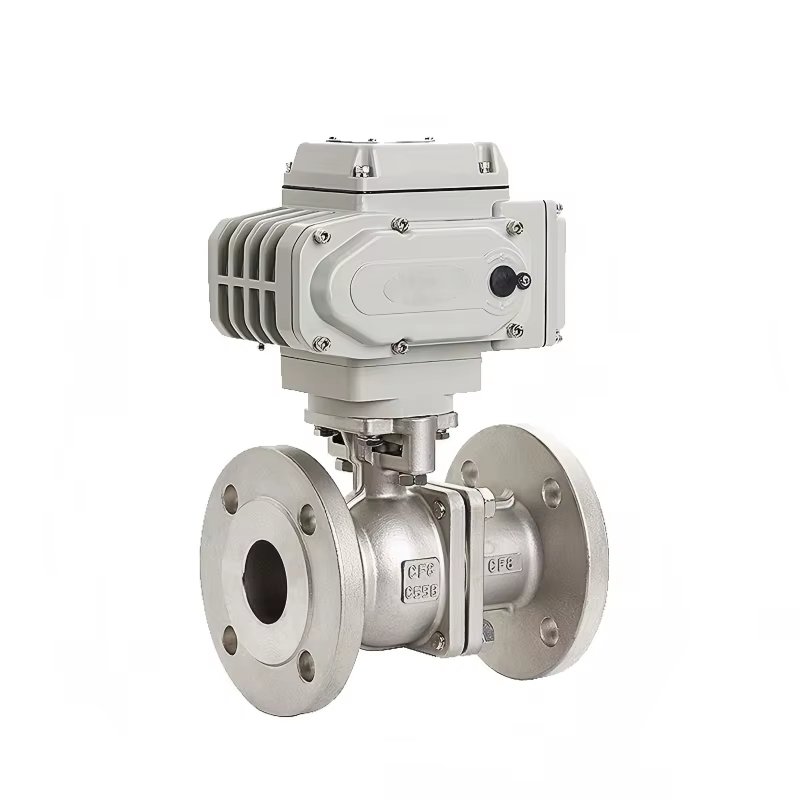
Market Trends: What’s Driving Growth in Water Treatment
1. Digitalization and Smart Infrastructure
Water utilities are investing in smart technologies to improve efficiency and reduce costs. Electric actuators are integral to this transformation, providing real-time data and remote controllability that reduces the need for on-site personnel.
2. Energy Efficiency as a Priority
Pumping systems account for the largest share of electricity consumption in water facilities. Precise hydraulic control through modern valves and intelligent actuators can significantly reduce energy losses. Even small improvements in hydraulic operation generate substantial energy savings over a facility’s 20-to-40-year lifecycle.
3. Regulatory Compliance and Environmental Protection
Stringent environmental regulations drive adoption of electric actuators over hydraulic alternatives, eliminating the risk of fluid leaks that can contaminate water supplies.
4. Infrastructure Modernization
Aging water infrastructure—particularly in developed markets—is being upgraded with modern, automated systems. In emerging markets like Asia-Pacific, rapid urbanization is driving new water infrastructure investments.
5. Fail-Safe Protection
Advanced electric actuators now incorporate SuperCapacitor technology or battery backup that automatically drives valves to preset fail-safe positions during power interruptions—critical for maintaining water treatment operations during emergencies.
Why Electric Actuators Over Hydraulic or Pneumatic?
Water treatment facilities have traditionally used hydraulic or pneumatic actuators, but electric actuators are increasingly preferred for compelling reasons:
Feature: Electric Actuators vs. Hydraulic/Pneumatic
Installation: Electric actuators require simpler installation—only power and signal cables are needed. Hydraulic/pneumatic systems require complex installation with pumps, tubing, and fluid reservoirs.
Environmental Impact: Electric actuators pose no fluid leak or contamination risk. Hydraulic fluid leaks can contaminate water supplies and surrounding ecosystems.
Maintenance: Electric actuators require minimal maintenance with only periodic checks. Hydraulic/pneumatic systems demand ongoing maintenance of pumps, hoses, and control valves.
Energy Efficiency: Electric actuators consume power only when operating. Hydraulic/pneumatic systems often run continuously, consuming more energy.
Reliability: Electric actuators have fewer moving parts, meaning less potential for failure. Hydraulic/pneumatic systems have more components, creating more potential failure points.
Trending Keywords: What Water Industry Professionals Are Searching For
For engineers, facility managers, and procurement professionals in water treatment, these high-search-volume keywords define the conversation:
- Electric actuator, the foundational search term
- Smart electric actuator, reflecting the shift toward intelligent devices
- Electric valve actuator, emphasizing valve automation
- Electric modulating actuator, highlighting precise control capability
- 4-20mA electric actuator, signal compatibility is a key selection criterion
- Modbus actuator, digital communication is increasingly mandatory
- Water treatment actuator, industry-specific application searching
- Submersible electric actuator, for underwater applications
- Fail-safe electric actuator, for critical infrastructure protection
- Intelligent electric actuator, AI-enabled and self-diagnosing devices
Why Choose BESTONE Electric Actuators?
Exceptional Long Life
Water treatment facilities operate 24/7/365. BESTONE actuators are engineered for endurance with dual 100,000-cycle life designs for both valve bodies and actuators. Our products are built to withstand the grueling demands of continuous operation, reducing unplanned downtime and extending replacement cycles.
Compact, Ingenious Design
Space constraints in treatment plants and pump stations demand compact solutions. BESTONE electric actuators feature a compact, high-protection modular design that maximizes functionality while minimizing footprint. IP67-rated enclosures and corrosion-resistant coatings ensure reliable operation in wet, corrosive environments.
Comprehensive Technical Support
From torque matching and control signal compatibility (4-20mA, 2-10V, Modbus, Profinet) to material selection for corrosive media, our technical support team provides complete guidance. We ensure seamless integration with existing control systems and compliance with industry standards.
Conclusion
The water and wastewater industry stands at a pivotal moment. As digitalization, energy efficiency, and sustainability reshape the sector, smart electric actuators have become essential components of modern water infrastructure. From drinking water treatment to sewage processing, desalination to flood protection, these intelligent devices enable precise control, reduce costs, and ensure reliable operation in even the most demanding environments. With BESTONE’s long-life, compact design actuators and dedicated technical support, water utilities and industrial facilities can build the resilient, efficient infrastructure systems of tomorrow—today.