
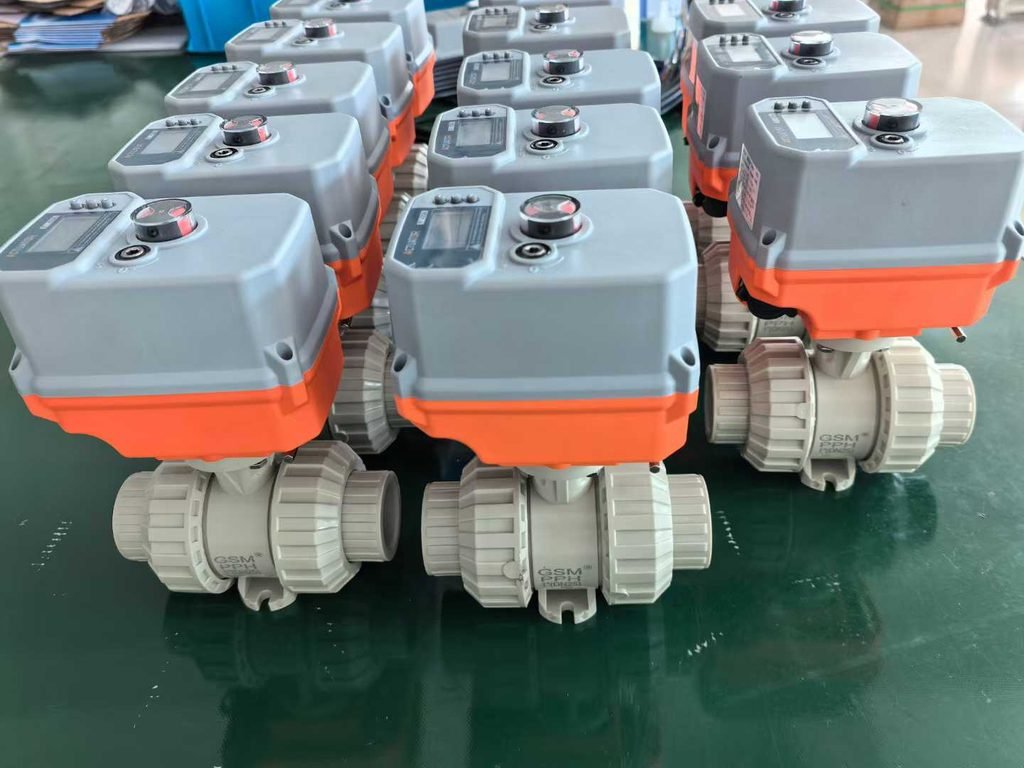
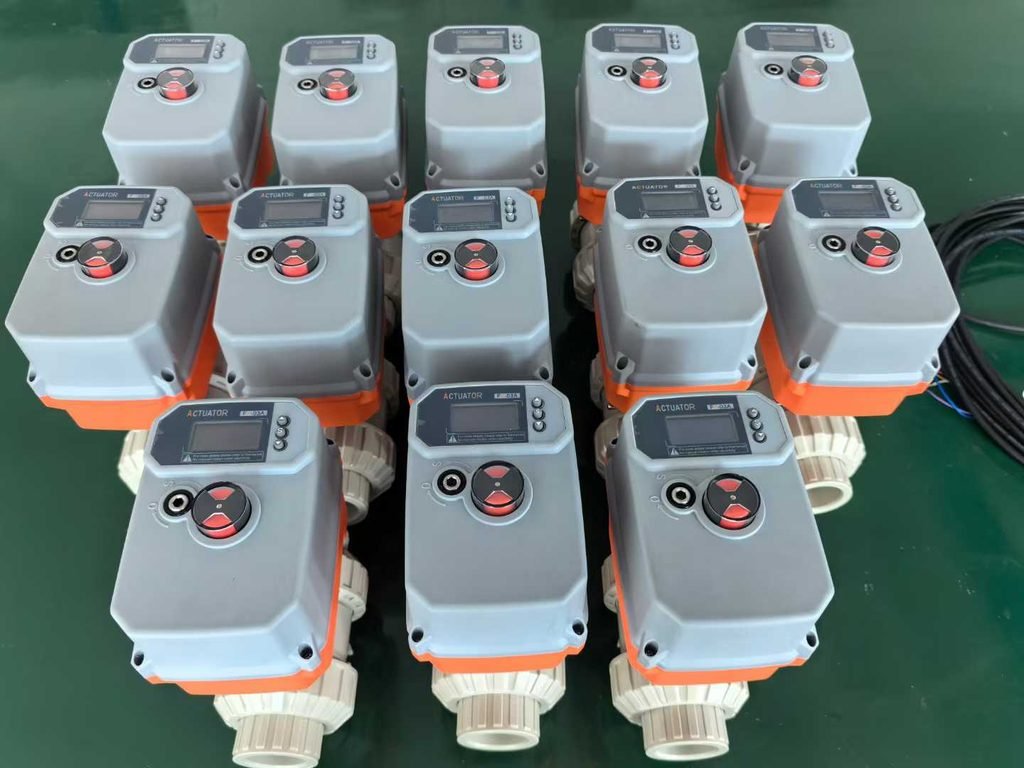
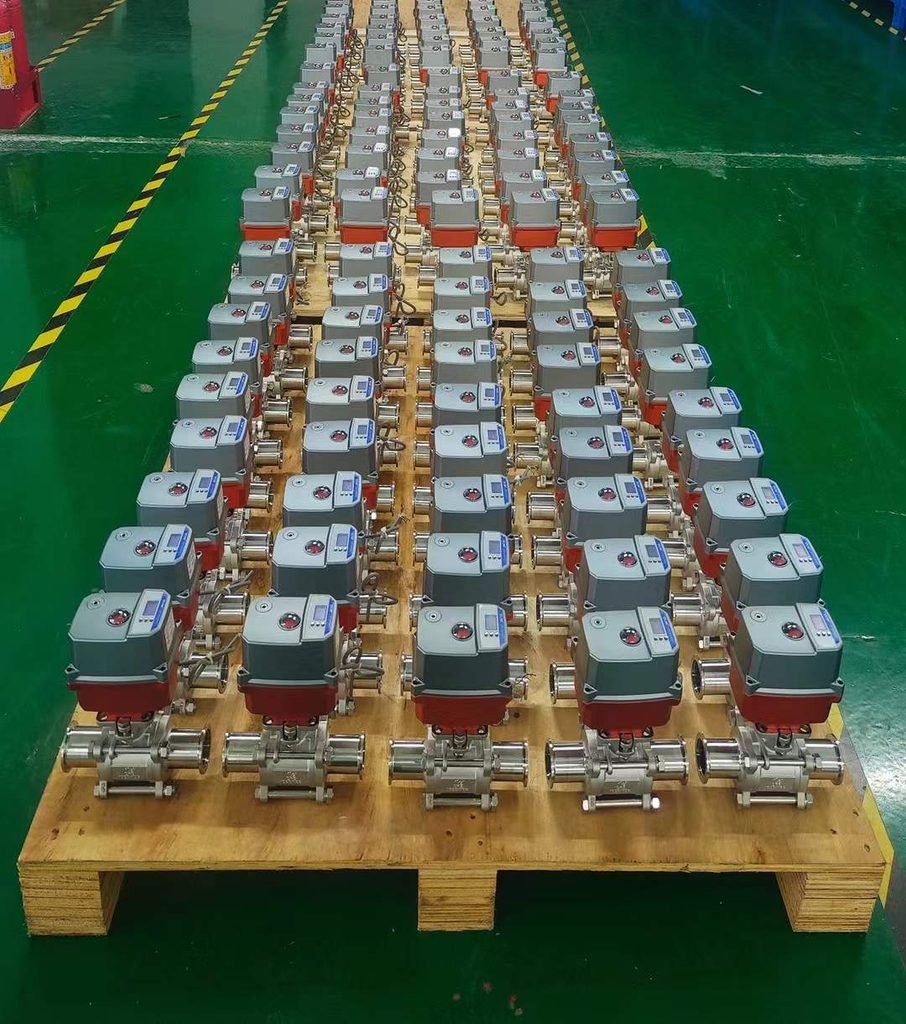
Compact electric actuators have become the standard for valve automation. Not because they are the cheapest option, and not because they are the most familiar, but because they deliver what no alternative can match: reliable, precise, maintenance-free operation in conditions that destroy lesser equipment.
This post explores the specific roles compact electric actuators play in seawater desalination projects, why they are irreplaceable in this application, and what makes BESTONE compact electric actuators the preferred choice for desalination plant designers and operators.
TL;DR – Key Takeaways for Desalination Project Engineers and Procurement Teams
1. The Environment: Seawater desalination exposes equipment to salt-laden air, highly corrosive brine, high-pressure pump vibration, and continuous operation demands. Standard actuators fail; compact electric actuators survive.
2. Core Roles: Compact electric actuators operate gate, butterfly, and ball valves across every process step, seawater intake, pretreatment, high-pressure pumping, reverse osmosis, energy recovery, and post-treatment, performing on-off isolation, precise modulating control, and bypass interlock functions.
3. The Irreplaceable Advantage: No compressed air required (eliminating air line corrosion and freeze risk), high corrosion protection (certified for saline atmospheres), vibration resistance (separately mounted controls), and precise flow control for membrane protection.
4. Proven at Scale: The Carlsbad Desalination Plant (USA) uses approximately 500 electric actuators; Singapore’s Keppel Marina East plant uses 156. These flagship projects demonstrate that electric actuation is the standard for modern desalination.
5. BESTONE Advantage: Our compact electric actuators combine high corrosion protection, flexible mounting options, and proven reliability—delivering the performance that desalination plants demand.
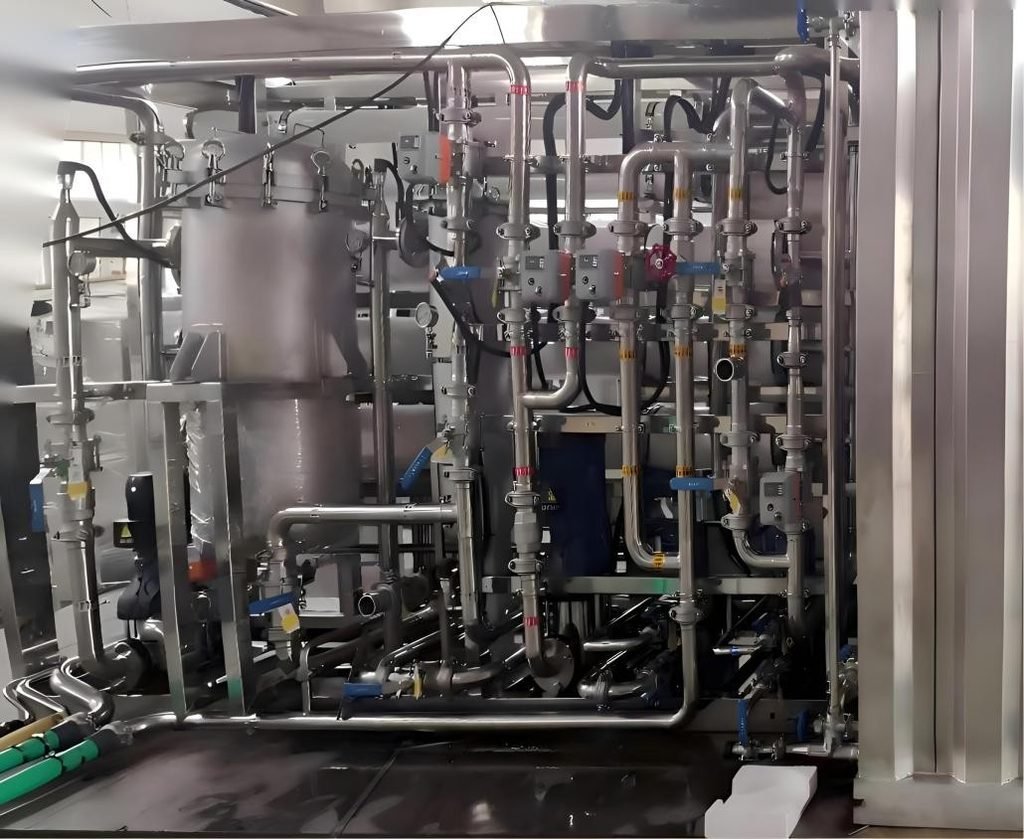
Why Seawater Desalination Demands a Different Kind of Actuator
The Corrosion Challenge
Seawater desalination plants face a dual corrosion assault. From outside, salt-laden coastal air attacks actuator housings, fasteners, and cable entries. From inside, the media being controlled seawater and especially concentrated brine, is aggressively corrosive. At the Carlsbad Desalination Plant in California, operators noted that “the media in the pipelines are also aggressive, not just the seawater, but also and in particular the concentrated brine which is a by-product of reverse osmosis” .
Any leak or seal failure can bring actuators into direct contact with these corrosive fluids. For pneumatic actuators, the air supply system itself becomes a liability moisture in compressed air accelerates internal corrosion, and air lines exposed to salt air degrade rapidly.
The Vibration Challenge
High-pressure pumps force seawater through reverse osmosis membranes at pressures of 50-60 bar or higher. This creates strong, continuous vibration in the immediate vicinity. Actuators mounted near these pumps must withstand constant mechanical stress without loosening, failing, or losing calibration.
The Operational Challenge
Desalination plants operate continuously often 24 hours a day, 365 days a year. Actuators must perform reliably for years with minimal maintenance. In remote or inaccessible locations within the plant, a failed actuator can mean hours of downtime and costly repairs.
The Precision Challenge
Reverse osmosis membranes are expensive and delicate. Feed pressure must be controlled precisely to protect the membranes from damage. Modulating actuators must provide accurate, repeatable positioning to maintain optimal pressure and flow conditions .
The Core Roles of Compact Electric Actuators in Desalination
1. Seawater Intake and Pretreatment
From the moment seawater enters the plant, actuators control the flow:
Intake gate and butterfly valves — isolating and regulating seawater flow from submerged pipes or coastal wells
Sand filtration and micro-filtration — sequencing backwash cycles and isolating filter banks for maintenance
Chemical dosing — precise addition of coagulants and pretreatment chemicals
Compact electric actuators provide the reliable on-off and modulating control required, with IP67/IP68 protection against water ingress and corrosion-resistant housings for the saline atmosphere.
2. High-Pressure Pumping and Reverse Osmosis
This is where precision becomes critical. The high-pressure pump forces seawater through the RO membranes, and the pressure must be controlled within tight tolerances.
Modulating electric actuators are used on:
High-pressure pump discharge valves — precise pressure control upstream of the membranes
RO unit feed valves — flow regulation to maintain membrane performance
Brine discharge valves — controlled release of concentrated brine
At Carlsbad, modulating actuators are specifically used on the high-pressure pumps upstream of the RO unit, designed for frequent operation and high positioning accuracy to meet Class C modulating duty requirements .
3. Energy Recovery
Reverse osmosis produces high-pressure brine as a by-product. Energy recovery systems capture this hydraulic energy to reduce overall plant power consumption. Actuators control the valves that route brine through energy recovery devices, ensuring efficient operation and safe isolation during maintenance.
4. Bypass and Interlock Functions
High-pressure systems require safe sequencing. Before a main valve can close, a bypass valve must be fully open to prevent pressure surges. At Carlsbad, the actuator controls include an interlock function that ensures the main valve is only closed when the bypass valve is fully open .
Compact electric actuators with integrated controls and position feedback enable this safety-critical logic without additional external components.
5. Post-Treatment and Distribution
After desalination, the water is remineralized, disinfected, and fed into the drinking water network. Actuators control:
Remineralization dosing — precise addition of minerals
Disinfection systems — controlled chemical injection
Distribution valves — flow regulation into the water supply network
Why Compact Electric Actuators Are Irreplaceable in Desalination
No Compressed Air = No Air System Corrosion
Pneumatic actuators require a constant supply of clean, dry compressed air. In a coastal desalination plant, maintaining air quality is a constant battle. Moisture and salt contaminate the air system, accelerating corrosion and causing actuator failures. Air lines themselves corrode and leak.
Compact electric actuators need only electrical power and a control signal. There is no air system to corrode, no filters to replace, no dryers to maintain, and no risk of moisture reaching internal components through the air supply .
Corrosion Protection Certified for Marine Environments
Leading electric actuator manufacturers have developed corrosion protection systems specifically for marine and coastal applications. At Carlsbad, the electric actuators used are certified by TÜV Rheinland for corrosion protection, proven to withstand the saline atmosphere and aggressive media .
Two-layer powder coating applied to individual housing parts before assembly provides superior protection compared to wet painting, if the housing is opened for maintenance, the coating remains intact, preventing corrosion at weak points .
Vibration Resistance Through Modular Design
High-pressure pumps create vibration that can damage sensitive electronics. Electric actuators with separately mountable controls solve this problem. The actuator mechanism can be mounted on the valve near the pump, while the control electronics are mounted remotely up to 100 meters away in a vibration-free location .
This modular architecture is not available with pneumatic actuators, which must be mounted as a single unit with their positioners and accessories.
Precise Modulating Control for Membrane Protection
Reverse osmosis membranes require precise pressure control. Modulating electric actuators provide high positioning accuracy and repeatability, ensuring that feed pressure remains within safe limits. They are designed for frequent operation and meet Class C modulating duty requirements per EN 15714-2 .
Pneumatic actuators, while capable of modulating control, depend on positioners that require clean, dry air, a challenge in the corrosive desalination environment.
Low Operating Cost
Electric actuators consume power only when operating. Pneumatic systems require continuous compressor operation to maintain air pressure, even when no valves are moving. In a large desalination plant with hundreds of actuators, this energy difference is significant. At Carlsbad, electric actuation was chosen specifically for its “low operating costs” alongside reliability and simple installation .
Proven at Scale: Flagship Desalination Projects
Carlsbad Desalination Plant, California
The Carlsbad plant uses approximately 500 electric actuators throughout the entire facility. These actuators operate gate, butterfly, and ball valves across every process step—from seawater extraction through sand filtration, micro-filtration, RO units, and remineralization to drinking water distribution. All actuators are integrated into the control system via Profibus DP, contributing to the plant’s high degree of automation .
Keppel Marina East Desalination Plant, Singapore
Singapore’s Keppel Marina East plant—named Desalination Plant of the Year at the 2021 Global Water Awards, uses 156 electric actuators with intelligent controls. A key factor in the selection was the actuators’ modular design, which allows controls to be mounted separately from the actuator when installed in hard-to-access areas—a common challenge in underground or densely packed plant layouts .
These flagship projects demonstrate that electric actuation is not a niche choice, it is the standard for modern, large-scale desalination.
What to Look For in a Desalination Actuator
| Requirement | Why It Matters | Specification to Specify |
| Corrosion Protection | Salt air and brine attack housings and fasteners | Certified corrosion protection (e.g., TÜV), two-layer powder coating, stainless steel fasteners |
| Ingress Protection | Water spray, humidity, and potential submersion | IP67 minimum, IP68 for exposed or submersible locations |
| Modular Design | Vibration near high-pressure pumps | Separately mountable controls, remote mounting up to 100m |
| Modulating Accuracy | Membrane protection and precise flow control | Class C modulating duty, high positioning accuracy, repeatability |
| Position Feedback | Interlock functions and system monitoring | 4-20mA feedback, digital communication (Profibus, Modbus) |
| Temperature Range | Outdoor coastal installations | Wide ambient temperature range, UV-resistant housing |
| Proven Reliability | Continuous operation, minimal maintenance | Field-proven in desalination or similar marine applications |
Conclusion
Seawater desalination is one of the most unforgiving environments for valve automation. Salt air, corrosive brine, high-pressure vibration, and continuous operation demand equipment that can survive and thrive where others fail.
Compact electric actuators have earned their place as the standard for desalination valve automation because they deliver what the application requires: no air system to corrode, certified corrosion protection, vibration-resistant modular design, and precise modulating control for membrane protection. The world’s flagship desalination plants have proven this at scale, hundreds of electric actuators operating reliably in the harshest conditions imaginable.
With BESTONE compact electric actuators, desalination project designers and operators get the performance, reliability, and corrosion protection that this critical application demands. Whether you are automating intake valves, high-pressure RO feed control, energy recovery systems, or post-treatment distribution, BESTONE has the actuator solution you need.