
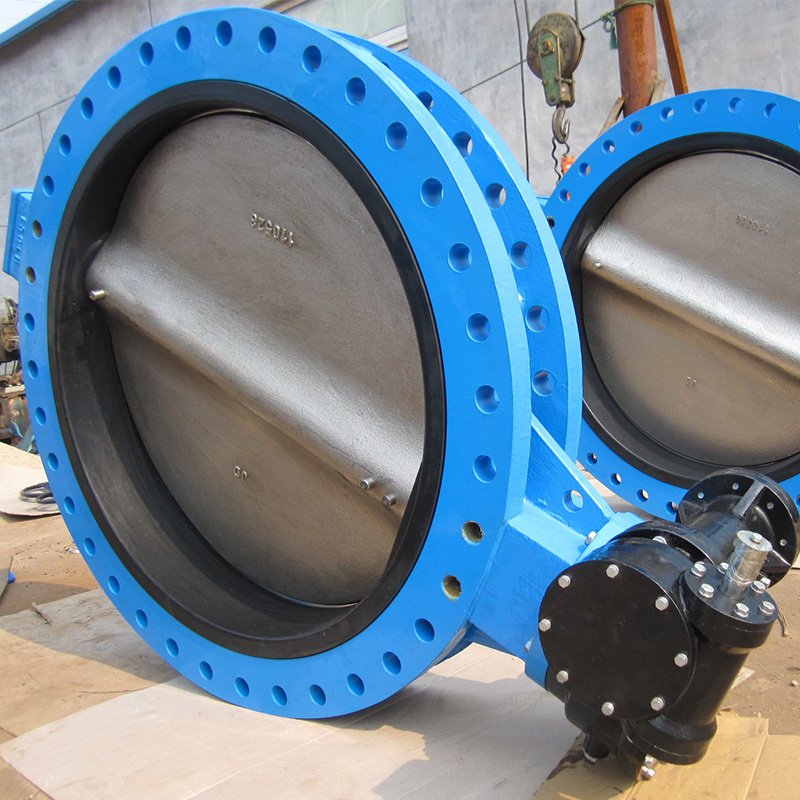
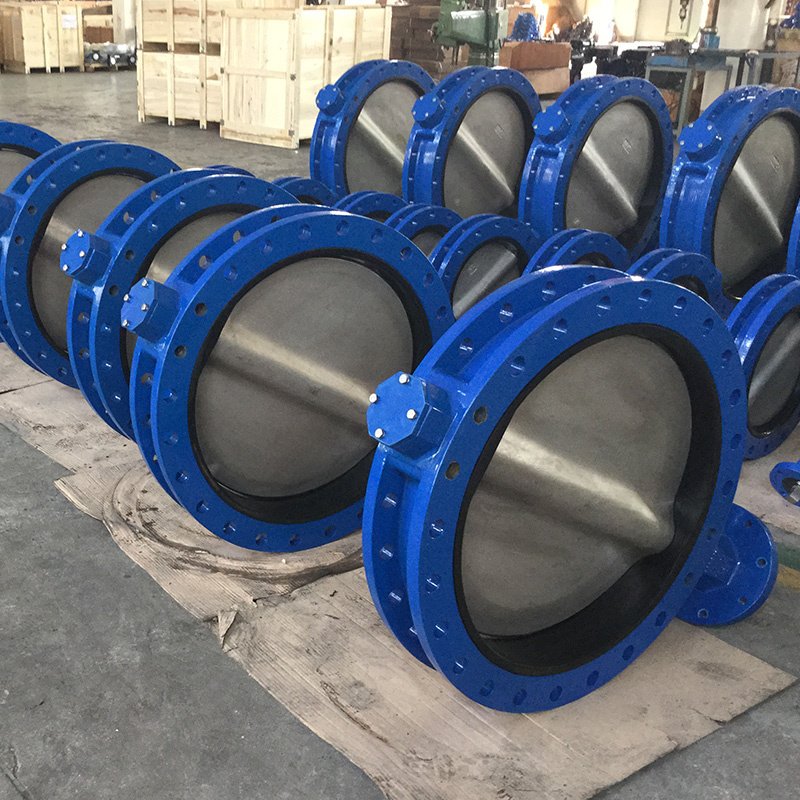
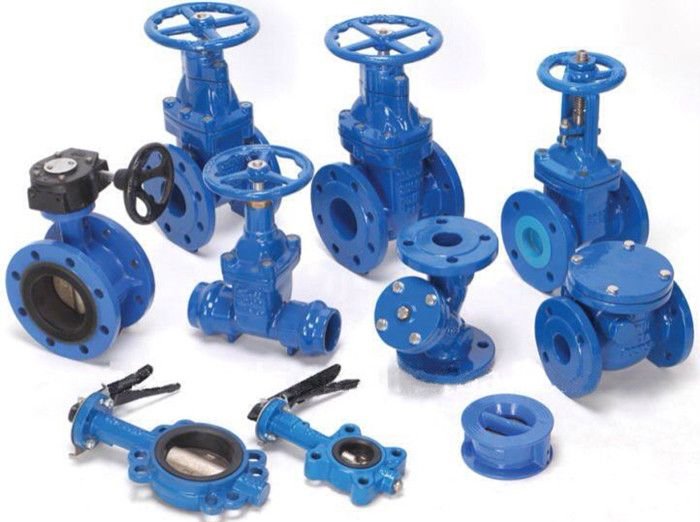
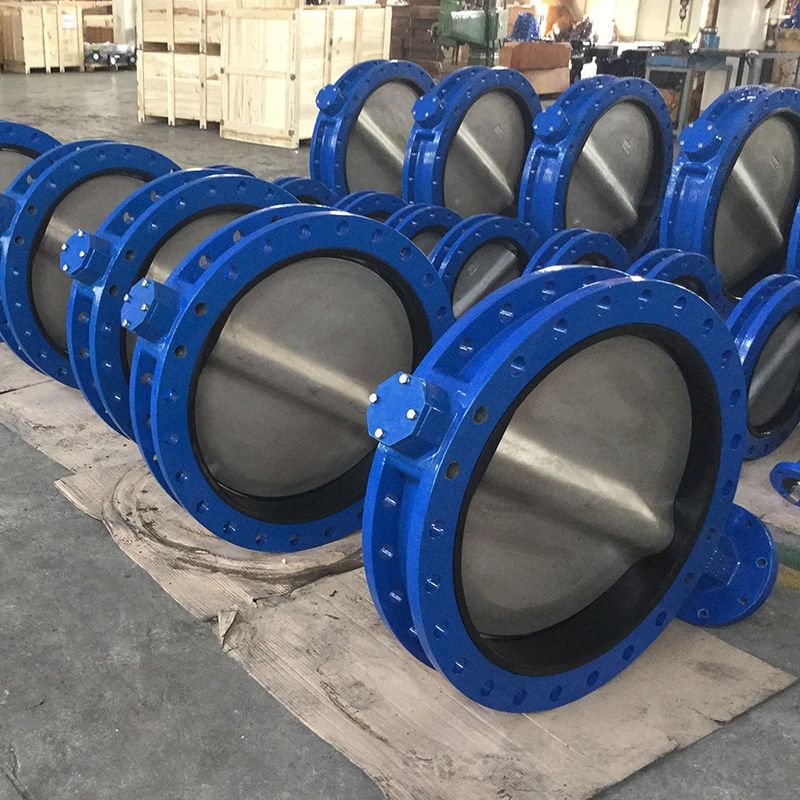
In the world of industrial flow control, few valve types offer the combination of performance, versatility, and value delivered by the electric butterfly valve. With its compact 90° rotary design, large-diameter capability, and minimal pressure loss, the electric butterfly valve has become the automation valve of choice for water infrastructure, energy projects, environmental systems, and building services worldwide.
Whether you are isolating a large-diameter water main, regulating flow in an industrial cooling loop, or controlling high-temperature flue gas in a power plant, there is an electric butterfly valve configuration engineered for the job. This post explores the core advantages of electric butterfly valves, the three main sealing configurations, and how to select the right valve for your application.
TL;DR – Key Takeaways for Project Engineers and Procurement Professionals
1. Core Advantages: Electric butterfly valves offer large-diameter capability, lightweight construction, minimal pressure loss, and 90° rotary operation—with no compressed air required. They connect directly to SCADA, DCS, and building automation systems, supporting both on/off isolation and modulating flow control.
2. Three Configurations: Choose from centerline soft-sealed (water, wastewater, HVAC at ambient temperature and low pressure), double-offset (industrial circulating water and medium-temperature media), and triple-offset metal-seated (flue gas, high-temperature steam, oil products, corrosive media).
3. Application Match: Centerline soft-sealed valves dominate global municipal water and wastewater projects on cost-performance. Double-offset valves balance sealing performance and service life for industrial cooling. Triple-offset valves meet high-temperature, high-pressure, frequent cycling, and fire-safe requirements in energy and petrochemical projects.
4. Automation Ready: With 4-20mA, 0-10V control signals, Modbus, Profibus, and BACnet communication, electric butterfly valves integrate seamlessly into modern control architectures.
5. BESTONE Advantage: Our electric butterfly valves combine robust construction, precise actuation, and comprehensive technical support—delivering reliable, cost-effective automation for infrastructure projects worldwide.
Why Electric Butterfly Valves Are the Smart Choice for Infrastructure Projects
The Core Advantages
Electric butterfly valves have become the preferred automation valve for large-scale infrastructure projects for several compelling reasons:
| Feature | Benefit |
| Large Diameter Capability | Available in DN50 to DN2000+ sizes, ideal for main pipeline isolation |
| Lightweight Construction | Significantly lighter than gate or globe valves, reducing structural support requirements |
| Minimal Pressure Loss | Streamlined disc design creates low resistance to flow, saving pumping energy |
| 90° Rotary Operation | Quarter-turn actuation enables fast opening and closing |
| No Compressed Air Required | Eliminates the need for air compressors, dryers, and piping infrastructure |
| Direct System Integration | Connects to SCADA, DCS, and building automation systems |
| Dual Function | Supports both on/off isolation and modulating flow control |
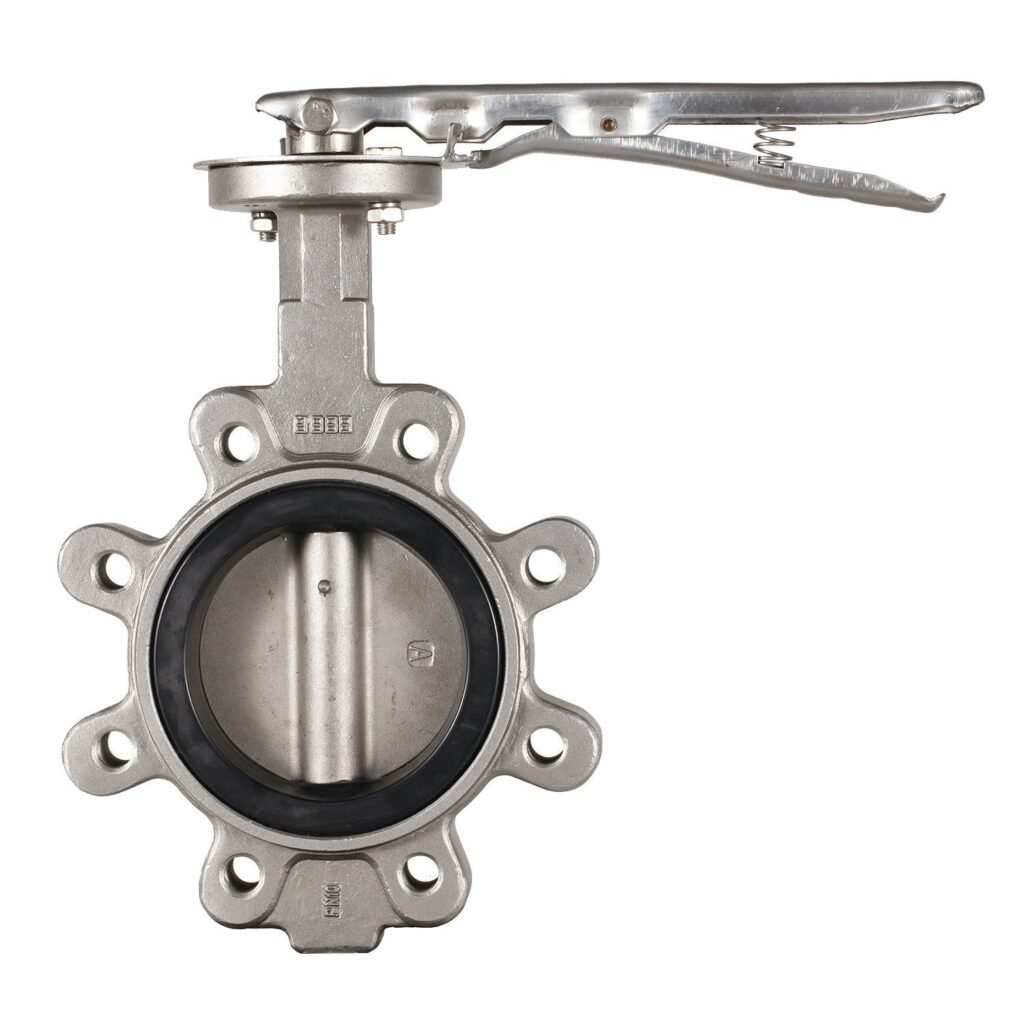
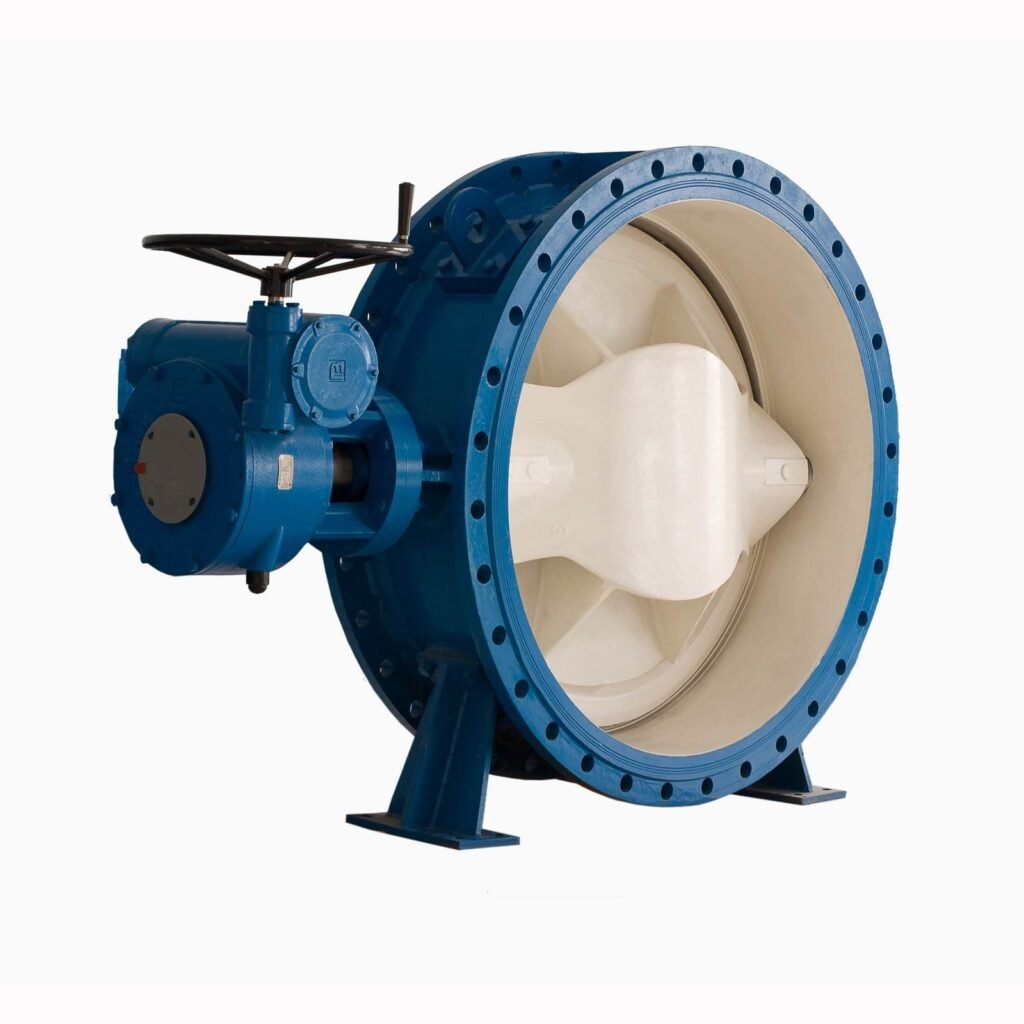
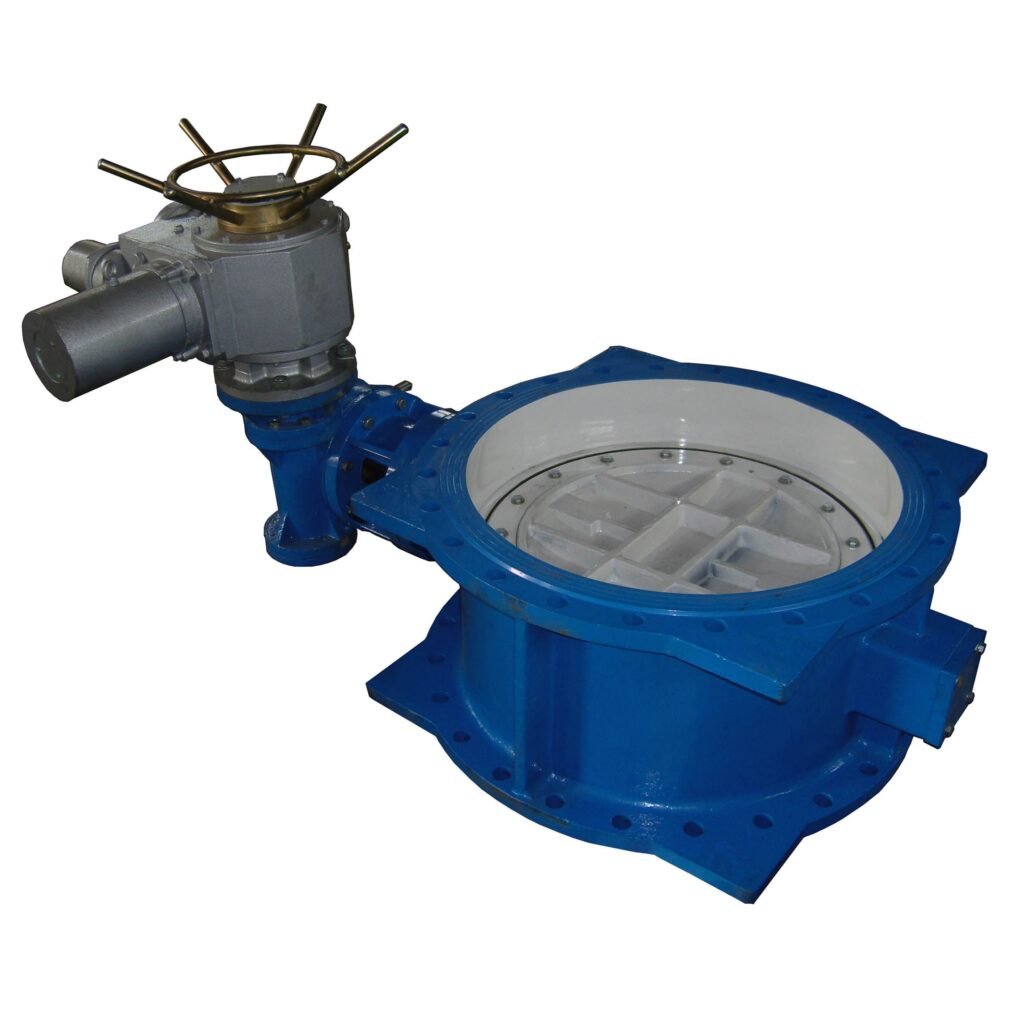
The Three Configurations: Matching the Valve to the Application
1. Centerline Soft-Sealed Electric Butterfly Valve
Best for: Water supply, wastewater treatment, HVAC systems — ambient temperature, low pressure
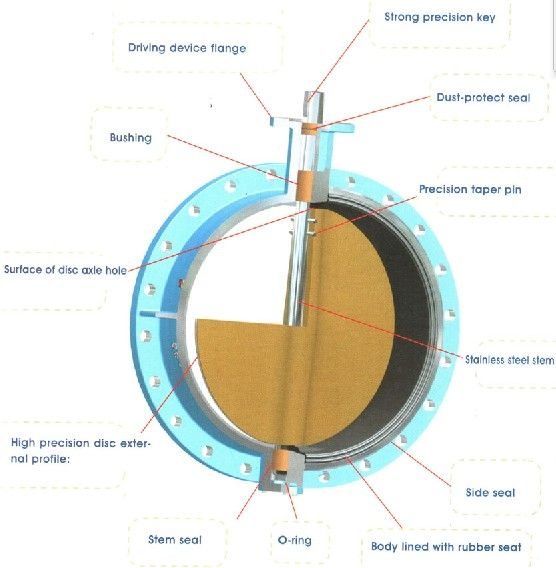
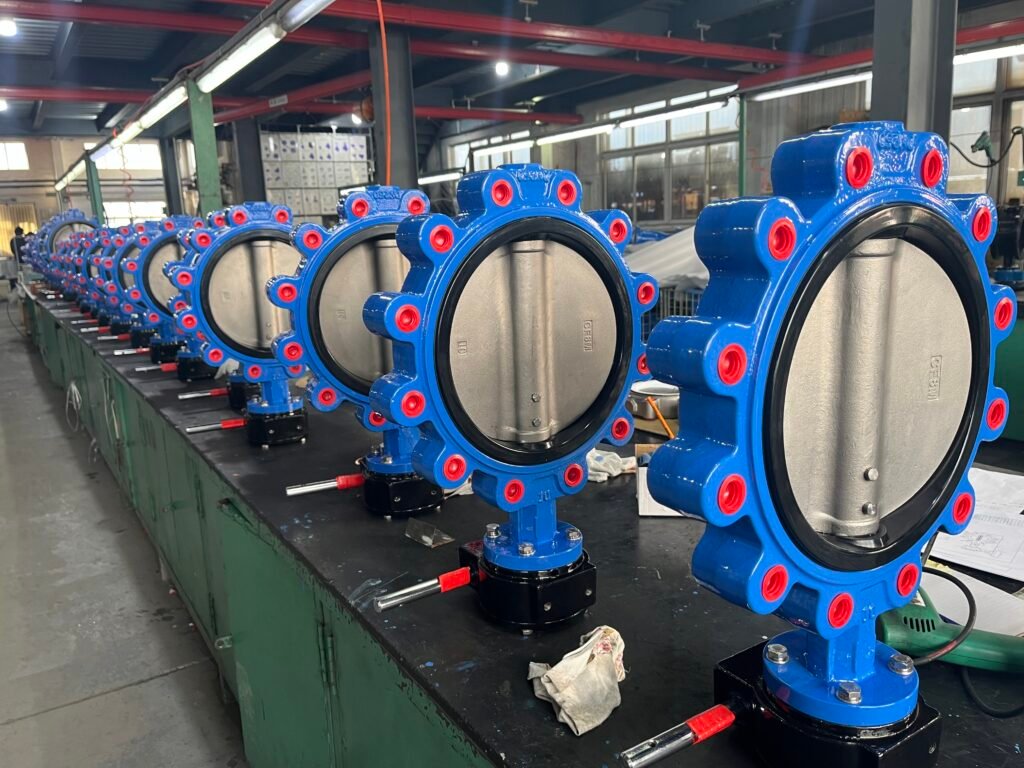
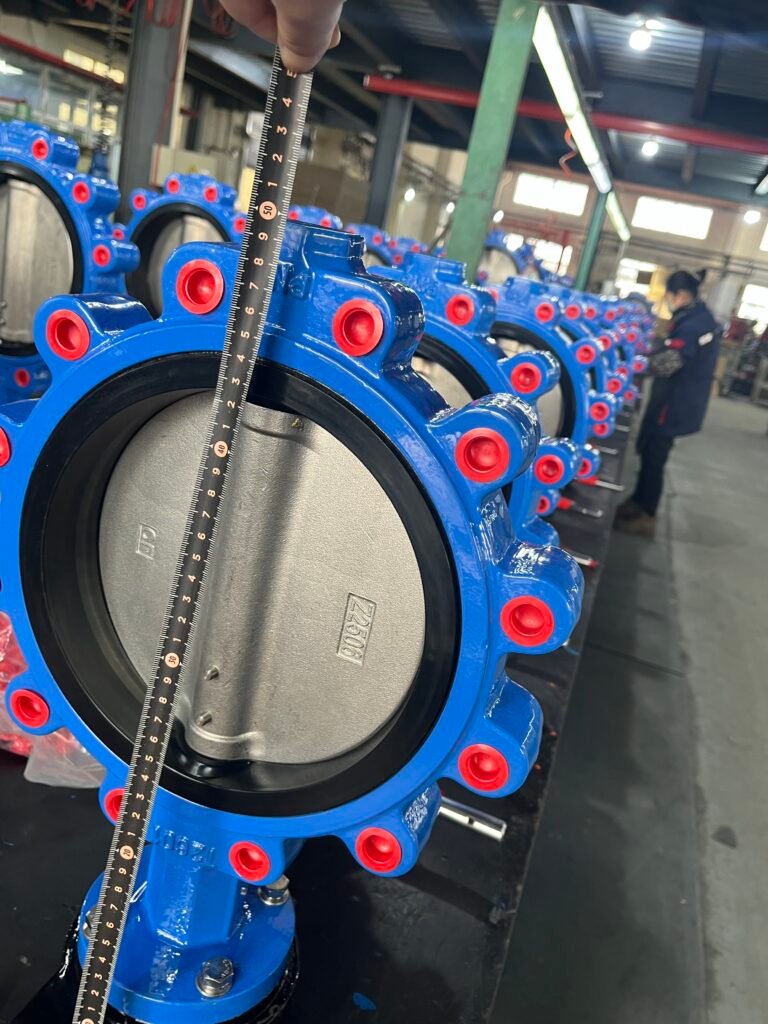
The centerline soft-sealed butterfly valve is the workhorse of municipal infrastructure. Its simple, robust design features a resilient rubber or PTFE seat that contacts the disc around its full circumference when closed.
Key characteristics:
- Bubble-tight sealing at low pressure
- Cost-effective — the most economical configuration
- Simple construction — fewer components, easier maintenance
- Wide availability — the highest-volume butterfly valve type globally
Typical applications:
- Municipal water supply and distribution networks
- Wastewater treatment plant isolation
- HVAC chilled and hot water systems
- Irrigation main lines
- Building services
Why it dominates global municipal projects: The centerline soft-sealed design delivers reliable performance at the lowest total cost for the vast majority of water and wastewater applications. With temperature limits typically up to 80°C and pressure ratings to PN16, it covers most municipal requirements.
2. Double-Offset Electric Butterfly Valve
Best for: Industrial circulating water, medium-temperature media — balancing sealing and service life
The double-offset design moves the disc’s rotation axis away from the seat and the pipe centerline, reducing friction between disc and seat during operation. This design dramatically extends seat life while maintaining excellent sealing.
Key characteristics:
- Reduced seat wear — the disc lifts off the seat before rotating
- Extended service life — ideal for frequent cycling applications
- Improved sealing — suitable for higher pressures than centerline designs
- Medium-temperature capability — handles media up to 200°C depending on seat material
Typical applications:
- Industrial circulating cooling water systems
- Medium-temperature process media
- Power plant cooling circuits
- Chemical processing utilities
When to choose double-offset: When your application involves more frequent cycling, slightly higher temperatures, or a need for longer service life than a centerline valve can deliver.
3. Triple-Offset Metal-Sealed Electric Butterfly Valve
Best for: Flue gas, high-temperature steam, oil products — high pressure, frequent cycling, fire-safe requirements
The triple-offset design is the most advanced butterfly valve configuration. By offsetting the disc in three dimensions, the disc completely disengages from the seat during rotation—eliminating friction and wear entirely.
Key characteristics:
- Metal-to-metal sealing — no soft components to degrade
- High-temperature capability — handles media up to 600°C+
- Fire-safe design — meets API 607 and similar standards
- Zero leakage — achieves Class VI shut-off
- Long service life — no seat friction during operation
Typical applications:
- Power plant flue gas desulfurization systems
- High-temperature steam lines
- Oil and gas processing
- Petrochemical applications
- Corrosive media handling
When to choose triple-offset: When your application involves high temperatures, high pressures, fire-safe requirements, or aggressive media where soft-sealed valves cannot survive.
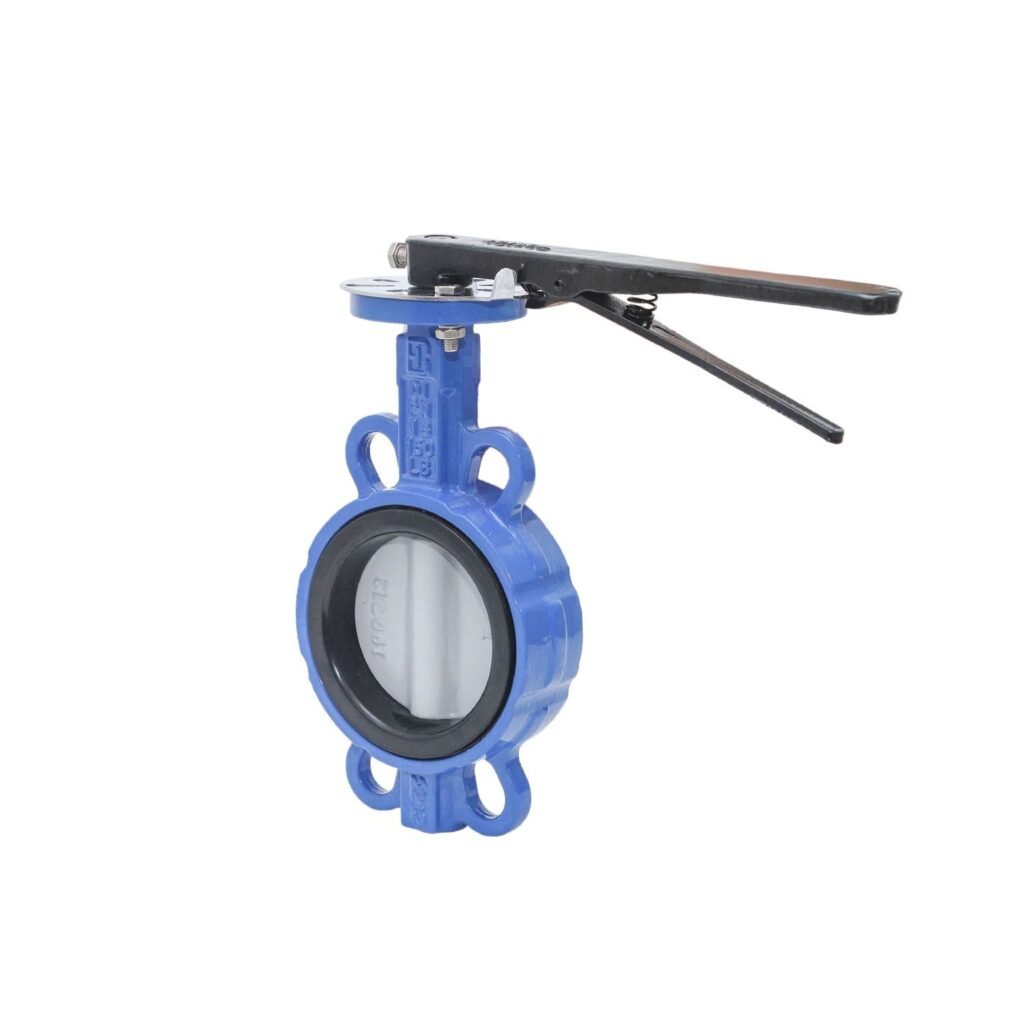
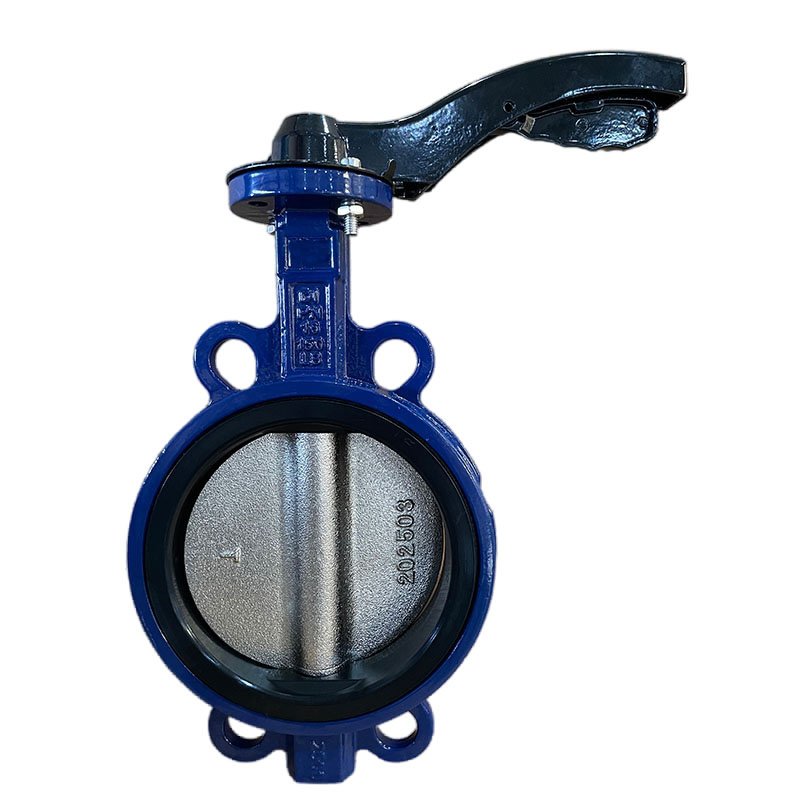
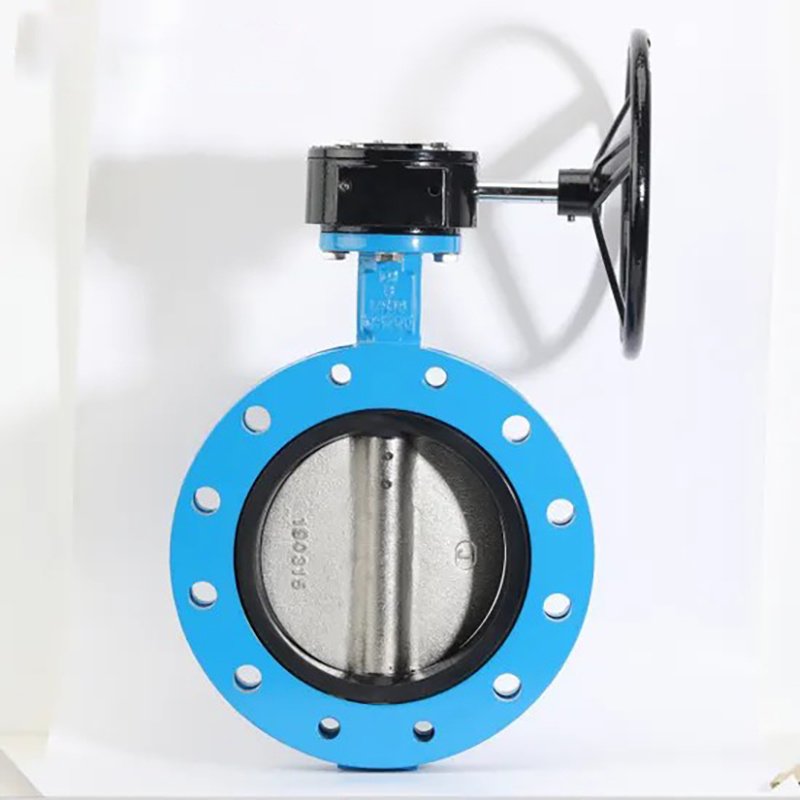
Comparison: Choosing the Right Butterfly Valve Configuration
| Feature | Centerline Soft-Sealed | Double-Offset | Triple-Offset Metal-Sealed |
| Temperature Range | Up to 80°C | Up to 200°C | Up to 600°C+ |
| Pressure Rating | PN10-PN16 | PN16-PN25 | PN25-PN40+ |
| Sealing Type | Soft (rubber/PTFE) | Soft or metal | Metal-to-metal |
| Leakage Class | Bubble-tight | Bubble-tight to Class VI | Class VI (zero leakage) |
| Friction/Wear | Moderate | Low | None (disc disengages) |
| Fire-Safe | No | Optional | Yes |
| Cost | Low | Moderate | High |
| Best For | Water, wastewater, HVAC | Industrial cooling | Flue gas, steam, oil, corrosive |
| Global Volume | Highest | Moderate | Specialized |
Automation and System Integration
Direct Connection to Control Systems
Electric butterfly valves are purpose-built for automation. Unlike pneumatic actuators that require compressed air infrastructure, electric actuators need only electrical power and a control signal—making them simpler to install and maintain.
Standard control and communication options:
| Signal Type | Options |
| Analog Control | 4-20mA, 0-10V, 2-10V |
| Digital Protocols | Modbus RTU, Profibus DP, BACnet, EtherNet/IP |
| Feedback | 4-20mA position feedback, limit switches, fault alarms |
SCADA, DCS, and Building Automation Integration
Electric butterfly valves integrate directly with:
- SCADA systems — for remote monitoring and control of pipeline networks
- DCS platforms — for process plant automation
- Building automation systems — for HVAC and facility management
This direct integration eliminates the need for pneumatic-to-electronic transducers, reducing cost and complexity while improving reliability.
On/Off and Modulating Control
Electric butterfly valves support both control modes:
- On/off (isolation) — full open or full closed for pipeline isolation
- Modulating (regulation) — continuous positioning for flow control
This dual capability means a single valve type can serve both isolation and control functions, simplifying spare parts inventory and maintenance training.
Selecting the Right Electric Butterfly Valve
Step 1: Define the Application Requirements
| Parameter | Questions to Ask |
| Media | Water, wastewater, steam, flue gas, oil, chemical? |
| Temperature | Ambient, medium (80-200°C), or high (200-600°C)? |
| Pressure | Low (PN10-16), medium (PN16-25), or high (PN25+)? |
| Operation | On/off isolation or modulating control? |
| Cycle Frequency | Occasional, frequent, or continuous cycling? |
| Fire-Safe Requirement | Is fire-safe certification required? |
Step 2: Match to the Right Configuration
- Water, wastewater, HVAC → Centerline soft-sealed
- Industrial cooling, medium temperature → Double-offset
- Flue gas, steam, oil, corrosive media → Triple-offset metal-sealed
Step 3: Select Actuator and Control Options
- Control signal — 4-20mA, 0-10V, or digital protocol
- Power supply — AC220V, AC380V, DC24V, or special voltages
- Enclosure protection — IP67 standard, IP68 for submersible
- Communication — Modbus, Profibus, BACnet for BMS integration
Step 4: Validate with BESTONE Engineering Support
- BESTONE’s technical team provides:
- Sizing and torque calculations
- Material compatibility recommendations
- Actuator selection and control integration support
- Custom configurations for specialized applications
Conclusion
Electric butterfly valves have earned their place as the cost-effective automation valve of choice for global infrastructure, energy, and environmental projects. Their combination of large-diameter capability, lightweight construction, minimal pressure loss, and direct control system integration makes them indispensable for water networks, industrial cooling, power generation, and petrochemical processing.
The key to success lies in selecting the right configuration:
- Centerline soft-sealed — for water, wastewater, and HVAC at ambient temperature and low pressure
- Double-offset — for industrial circulating water and medium-temperature media
- Triple-offset metal-sealed — for flue gas, high-temperature steam, oil products, and corrosive media
With BESTONE electric butterfly valves, you get the performance, reliability, and technical support needed to deliver successful projects on time and on budget.