
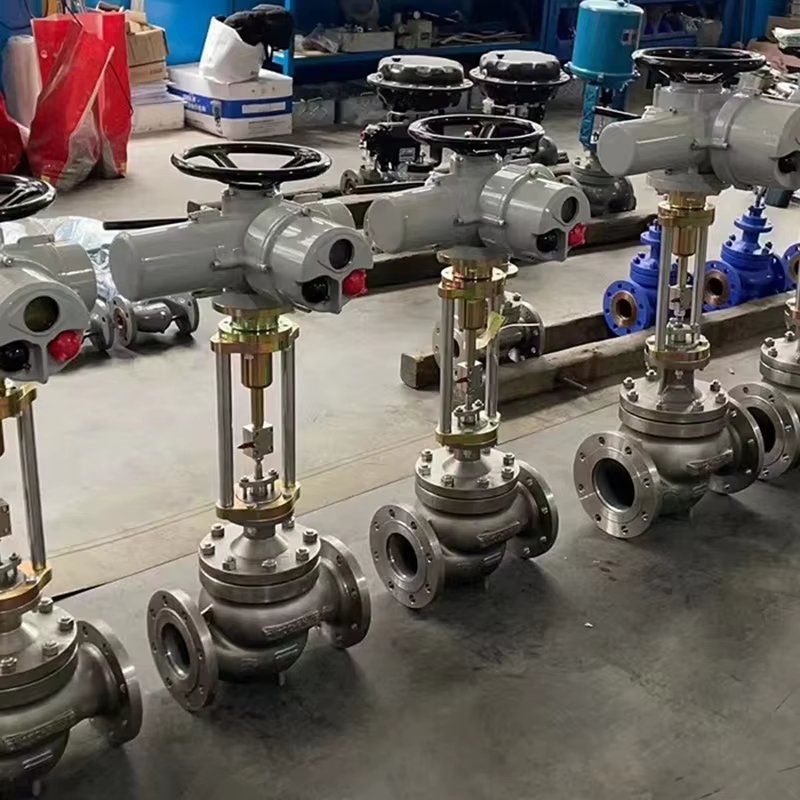
In industrial fluid control, the right actuator does more than open and close a valve, it determines whether a process runs safely, efficiently, and in compliance with increasingly strict environmental regulations. Yet across oil and gas fields, chemical plants, water utilities, power stations, and emerging new energy projects, engineers repeatedly face the same obstacles: no instrument air available, hazardous media requiring remote operation, high differential pressure throttling, and the need for documented safety certification.
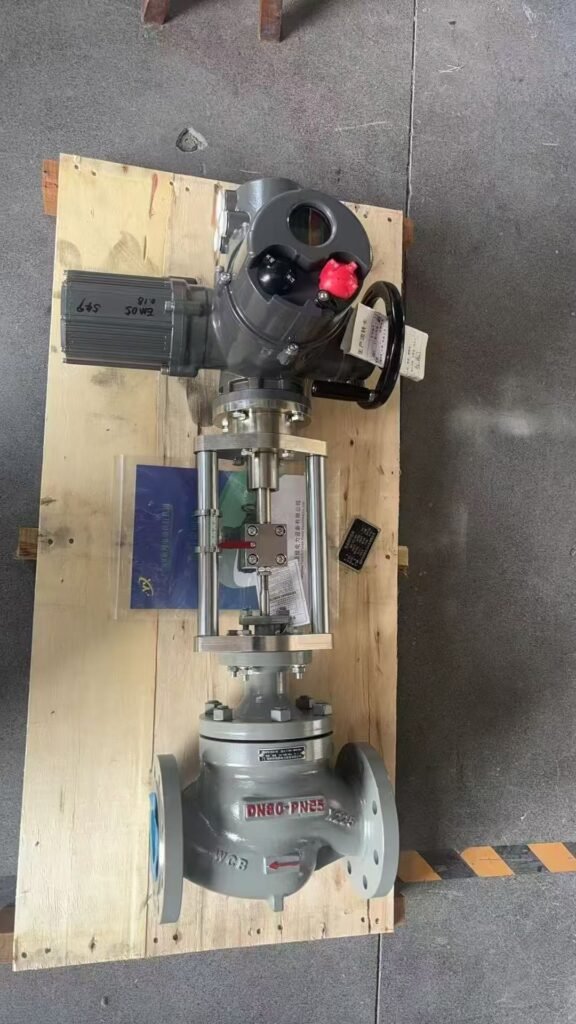
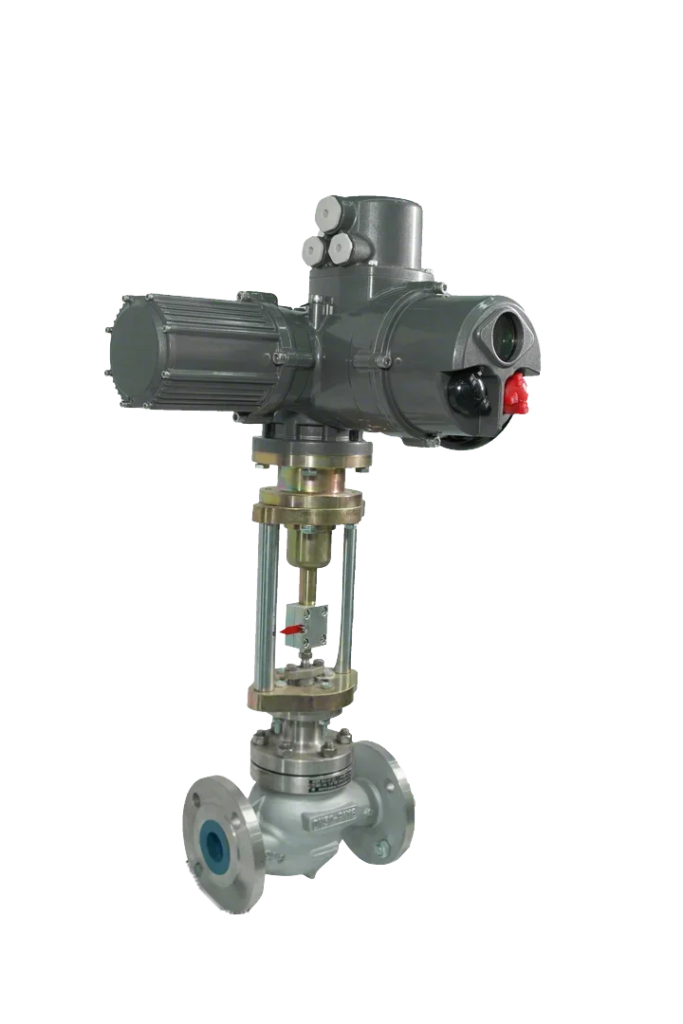
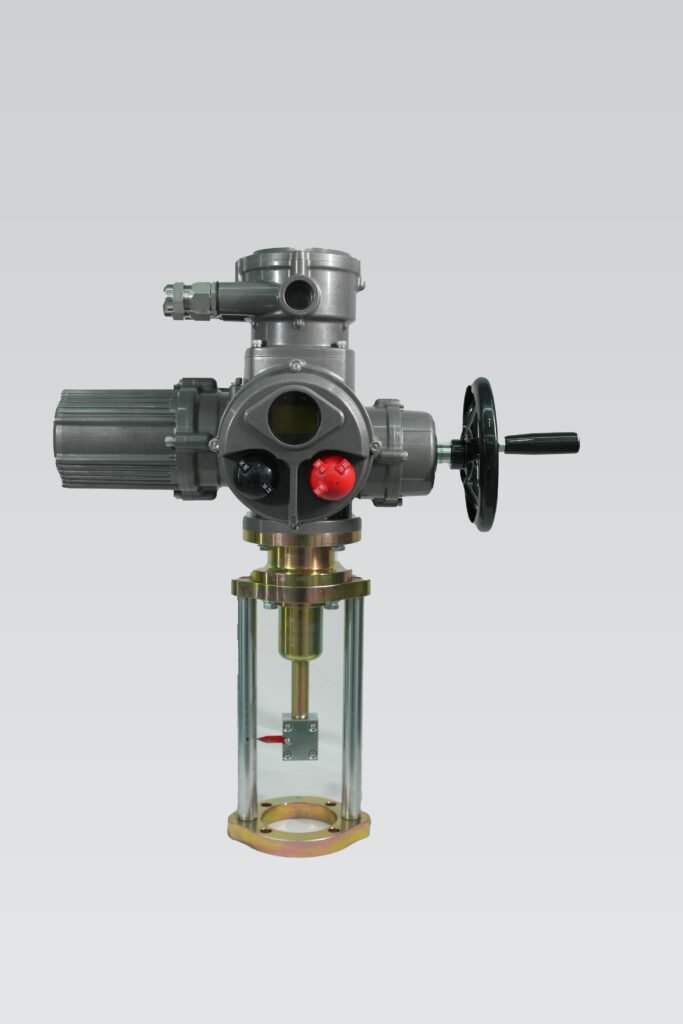
The electric linear actuator, specifically a 90° quarter-turn actuator paired with a yoke conversion base to drive linear-stroke globe and control valves, has emerged as the solution of choice for these challenges. By eliminating the need for instrument compressed air, these actuators are ideal for plant retrofits, remote sites, and new construction projects where pneumatic infrastructure is simply not available.
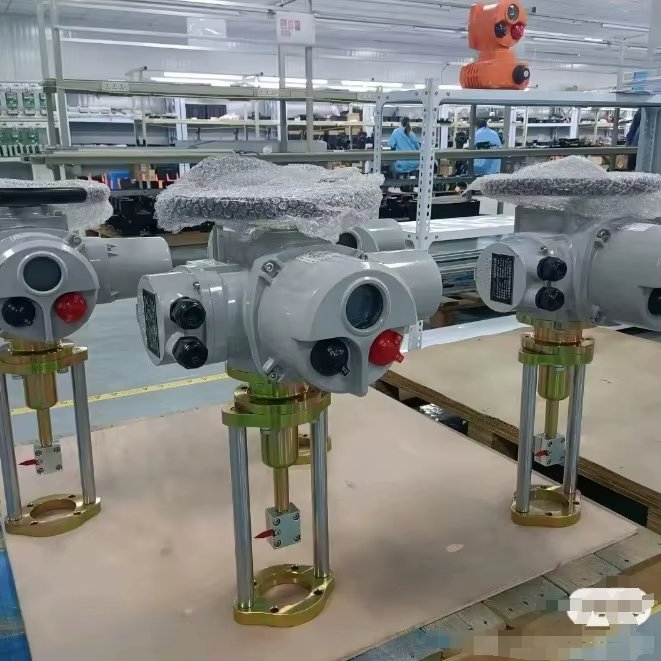
This post explores how BESTONE electric linear actuators with yoke-mounted quarter-turn bases solve real fluid control pain points across major industries, and what procurement teams should evaluate before specifying.
TL;DR – Key Takeaways for Project Engineers and Procurement Professionals
1. The Core Advantage: A 90° quarter-turn electric actuator paired with a yoke conversion base drives linear-stroke globe and control valves, eliminating the need for instrument compressed air. This makes it ideal for plant retrofits, remote well sites, and new projects without pneumatic infrastructure.
2. Industry Applications: Oil & gas (distillation, heat exchanger pressure/flow control, high-differential throttling, EPA emissions compliance), fine chemicals (reactor feed, hazardous media remote control, explosion-proof environments), municipal water and industrial wastewater (pump station pressure, chemical dosing, EPA discharge compliance), thermal power (boiler feedwater, desuperheating steam control), food & pharmaceutical (purified water, FDA/FSMA material traceability), and new energy (green hydrogen, CCUS, molten salt storage where new projects rarely include instrument air).
3. Procurement Priorities: Buyers evaluate certifications first, then performance and documentation: NEMA 4X enclosures, NEC Class I Div.1/Div.2 explosion-proof ratings, SIL2/SIL3 for safety interlock, and material MTR traceability reports.
4. Performance Requirements: Full-stroke torque and yoke linear thrust curves, thrust safety margin ≥1.5× maximum differential pressure load, motor overload protection, limit switches, and manual handwheel.
5. Yoke Structure Considerations: Engineers must account for Scotch Yoke thrust non-linearity mid-stroke thrust decay, and evaluate linkage wear risk in high-frequency modulating duty.
6. BESTONE Advantage: Our electric linear actuator solutions combine yoke-mounted quarter-turn actuation, comprehensive certifications, wide-temperature capability (-40°C to +85°C), and full documentation packages, delivering reliable, air-independent valve automation for the most demanding applications.
Why Eliminating Instrument Air Changes Everything
The Hidden Cost of Compressed Air
Pneumatic actuators have long dominated process valve automation. But compressed air infrastructure carries substantial hidden costs:
Capital expense — air compressors, dryers, filters, receivers, and distribution piping
Energy consumption — compressed air is one of the most expensive utilities in a plant
Maintenance burden — air leaks, moisture contamination, and freeze-up in cold climates
Availability limits — remote sites, wellheads, and new projects often have no air supply at all
Environmental impact — air system losses and fugitive emissions
For plant retrofits and remote installations, extending instrument air piping can be prohibitively expensive—or simply impossible.
The Electric Alternative
Electric linear actuators with yoke-mounted quarter-turn bases solve these problems by using electrical power only. No compressor, no dryer, no air lines, no freeze protection. The actuator receives a standard control signal—typically 4-20mA—and drives the valve to the commanded position.
This architecture is particularly valuable for:
Plant retrofits — replacing existing pneumatic actuators without installing new air infrastructure
Remote well sites and pipelines — no air supply available
New energy projects — green hydrogen, CCUS, and molten salt storage facilities are frequently designed without instrument air
Cold climate installations — no risk of air line freeze-up
Hazardous media — remote operation keeps personnel away from dangerous fluids
Industry Applications: Solving Real Fluid Control Pain Points
Oil & Gas / Refining
Typical locations: Texas, Gulf of Mexico, and similar production and refining regions
Pain points solved:
| Application | Challenge | Electric Linear Actuator Solution |
| Distillation column control | Precise pressure and flow regulation | 4-20mA modulating control with position feedback |
| Heat exchanger loop | Temperature control under varying loads | Continuous modulation with wide turndown |
| Well sites without air | Pneumatic actuators require air supply | Direct electric operation—no air needed |
| High differential pressure throttling | Severe service, potential cavitation | High thrust output with ≥1.5× safety margin |
| Media leakage containment | EPA emissions compliance | Tight shut-off and remote operation |
Key requirement: EPA emissions compliance demands reliable, documented performance. Electric actuators with position feedback and diagnostics support leak detection and reporting.
Fine Chemicals
Pain points solved:
Reactor feed control — precise, repeatable flow for batch consistency
Heat exchanger temperature control — accurate modulation for exothermic reactions
Hazardous media remote control — keeps operators away from toxic or corrosive fluids
Explosion-proof environments — NEC Class I Div.1/Div.2 rated actuators for classified areas
Key requirement: Explosion-proof certification is often mandatory, and remote operation reduces personnel risk in hazardous chemical processing.
Municipal Water and Industrial Wastewater
Pain points solved:
| Application | Challenge | Electric Linear Actuator Solution |
| Pump station pressure control | Maintaining stable discharge pressure | Modulating control with 4-20mA signal |
| Chemical dosing | Precise reagent addition | High-resolution positioning |
| Discharge flow/level regulation | EPA discharge compliance | Accurate, documented flow control |
| Outdoor sites without air | No instrument air available | Electric operation—power only |
Key requirement: EPA wastewater discharge compliance requires accurate, verifiable flow control. Outdoor sites without air supply are the norm, making electric actuation the practical choice.
Food and Pharmaceutical
Pain points solved:
Purified water systems — precise flow and temperature control
Process fluid temperature control — accurate modulation for product quality
FDA/FSMA material traceability — documented material certification
Key requirement: Material MTR traceability reports and compliance documentation are essential for regulatory audits.
New Energy (Fastest Growing Segment)
Applications:
Green hydrogen production — electrolyzer feed and cooling loop control
CCUS carbon capture — solvent flow and pressure regulation
Molten salt storage — heat transfer loop control
Why electric actuation dominates: New energy projects are frequently designed without instrument air infrastructure. Electric actuators are the default choice from the design phase, avoiding the cost and complexity of compressed air systems.
What Procurement Teams Evaluate
Based on real-world procurement practices, buyers prioritize the following:
1. Certifications (Entry Threshold)
| Certification | Significance |
| NEMA 4X | Enclosure protection for indoor/outdoor, corrosion-resistant |
| NEC Class I Div.1/Div.2 | Explosion-proof for hazardous areas |
| SIL2/SIL3 | Functional safety for safety interlock systems |
| Material MTR | Traceability reports for wetted components |
2. Thrust and Torque Performance
Full-stroke torque curves — not just peak torque
Yoke linear thrust curves — thrust output across the full stroke
Thrust safety margin — ≥1.5× maximum differential pressure load
Motor overload protection — prevents damage from jammed valves
Limit switches and manual handwheel — for failsafe operation and manual override
3. Signal and Communication
| Feature | Standard | Optional |
| Control Signal | 4-20mA | HART, Modbus |
| Valve Position Feedback | 4-20mA | Digital communication |
| Local Interface | LCD screen for local commissioning | — |
| Voltage | 120/240VAC (US standard) | Other voltages available |
4. Safety Functions
Spring-return — provides Fail Open (FO) or Fail Close (FC) on power loss
Failsafe position — ensures safe process state during power interruption
5. Environmental and Intelligent Features
Wide temperature range — -40°C to +85°C
Salt spray and vibration resistance — for coastal and mobile applications
Built-in diagnostics — action logging, fault alarms, position recording
Yoke Structure: What Engineers Must Know
The yoke-mounted quarter-turn actuator driving a linear valve introduces specific engineering considerations that procurement and design teams must evaluate.
Scotch Yoke Thrust Non-Linearity
The Scotch Yoke mechanism converts rotary motion into linear thrust. Its output is not linear across the stroke:
Maximum thrust occurs near the ends of travel
Mid-stroke thrust decay — thrust drops in the middle of the stroke, sometimes significantly
Implication — the actuator must be sized based on minimum thrust (mid-stroke), not peak thrust
For high-differential-pressure applications where maximum load occurs mid-stroke, this non-linearity must be accounted for in sizing calculations. A thrust safety margin of ≥1.5× maximum differential pressure load provides protection against this decay.
Linkage Wear in High-Frequency Modulating Duty
High-cycle modulating applications place continuous stress on the yoke linkage:
Pin and bearing wear — progressive clearance increase over time
Positioning accuracy degradation — as wear accumulates, positioning precision declines
Maintenance implications — periodic inspection and linkage replacement may be required
Comparison: Electric Linear vs. Pneumatic Actuation
| Feature | BESTONE Electric Linear Actuator | Pneumatic Diaphragm Actuator | Pneumatic Piston Actuator |
| Air Supply Required | No | Yes | Yes |
| Control Signal | 4-20mA (standard) | 3-15 psi or 4-20mA | 3-15 psi or 4-20mA |
| Position Feedback | Yes (4-20mA/digital) | Requires positioner | Requires positioner |
| Failsafe | Spring-return option | Spring-return standard | Requires accumulator |
| Cold Climate | No freeze risk | Air line freeze risk | Air line freeze risk |
| Remote Sites | Power only | Requires air supply | Requires air supply |
| Diagnostics | Built-in | Limited | Limited |
| Explosion-Proof | NEC Class I Div.1/Div.2 | Intrinsically safe | Intrinsically safe |
| SIL Rating | SIL2/SIL3 available | SIL2/SIL3 available | SIL2/SIL3 available |
| Maintenance | Low | Moderate | Moderate |
| Documentation | MTR, IOM, test reports | Standard | Standard |
Solving Real-World Problems
Problem 1: Remote Well Site Without Air Supply
Scenario: A well site in a remote location requires pressure and flow control on a separation train. No instrument air is available, and installing a compressor is prohibitively expensive.
Solution: BESTONE electric linear actuators with yoke-mounted bases drive globe valves directly from electrical power. Control is via 4-20mA from the RTU, with position feedback for remote monitoring. No air infrastructure required.
Problem 2: Plant Retrofit—Replacing Pneumatic Actuators
Scenario: A refinery wants to replace aging pneumatic actuators on distillation column control valves. Existing air lines are undersized and unreliable.
Solution: BESTONE electric linear actuators replace the pneumatic actuators without requiring new air infrastructure. Existing 4-20mA control signals are reused, and position feedback integrates with the DCS. The retrofit eliminates air system maintenance and freeze-up risk.
Problem 3: EPA Compliance for Wastewater Discharge
Scenario: A municipal wastewater treatment plant needs to demonstrate accurate, documented flow control for EPA discharge compliance.
Solution: BESTONE electric actuators with 4-20mA position feedback and built-in diagnostics provide the documented performance data needed for regulatory reporting. The actuators operate reliably outdoors without air supply.
Problem 4: High Differential Pressure Throttling
Scenario: A chemical plant requires precise throttling of a high-differential-pressure feed stream. Mid-stroke thrust decay in the Scotch Yoke mechanism is a concern.
Solution: BESTONE engineers sized the actuator based on minimum mid-stroke thrust with a 1.5× safety margin over maximum differential pressure load. The actuator delivers reliable throttling across the full stroke.
Problem 5: New Energy Project Without Instrument Air
Scenario: A green hydrogen project is designed without instrument air infrastructure. All valve automation must be electric.
Solution: BESTONE electric linear actuators with spring-return failsafe provide the required performance without air. NEC Class I Div.2 certification meets hazardous area requirements, and wide-temperature operation handles outdoor installation.
Conclusion
Electric linear actuators with yoke-mounted quarter-turn bases are solving real fluid control pain points across oil and gas, chemicals, water treatment, power generation, food and pharmaceutical, and new energy industries. By eliminating the need for instrument compressed air, they enable plant retrofits, remote site operation, and new project designs that would otherwise be impractical or prohibitively expensive.
When specifying these actuators, procurement teams should prioritize:
Thrust performance — full-stroke curves, ≥1.5× safety margin, overload protection
Signal and communication — 4-20mA standard, HART/Modbus optional, LCD local interface
Safety functions — spring-return Fail Open/Fail Close
Environmental capability — -40°C to +85°C, salt spray and vibration resistance
And for yoke-mounted configurations, engineers must account for Scotch Yoke thrust non-linearity and evaluate linkage wear risk in high-frequency modulating duty.
With BESTONE electric linear actuators, you get air-independent valve automation, comprehensive certifications, and full documentation, delivering reliable performance for the most demanding fluid control applications.