
In industrial automation, the choice between solenoid valves and electric actuators often comes down to a trade-off: speed versus reliability. Solenoid valves offer fast response, typically in the millisecond range, but they are prone to coil burnout, lack position feedback, and struggle with clogging in dirty media. Electric actuators, on the other hand, provide durability and precision but have traditionally been too slow for high-cycle applications.
That trade-off is now obsolete.
With the introduction of high-speed electric actuators, a new category of valve automation has emerged, one that delivers the speed of solenoid valves with the reliability, feedback, and intelligence of electric actuation. This post explores how BESTONE high-speed electric actuators are replacing solenoid valves across multiple industries, the technical advantages that make this possible, and the performance data that validates the transition.
TL;DR – Key Takeaways for Automation Professionals
- The Challenge: Solenoid valves offer fast response but suffer from coil burnout, lack of position feedback, clogging issues, and limited lifespan in high-cycle applications. Industries need a faster, more reliable alternative.
- The Solution: BESTONE high-speed electric actuators achieve 1-2 second stroke times —comparable to solenoid valves—while providing position feedback, adjustable speed control, and 24/7 continuous operation capability.
- Performance Leadership: Highspd series actuators achieve travel times 5 to 20 times faster than conventional electric actuators—delivering 2-5 second stroke times with high torque output up to 6,000 N·m.
- Key Advantages: Eliminates solenoid coil burnout, provides full position feedback, handles dirty media without clogging, supports both on-off and modulating control, and offers wide voltage compatibility (AC220V/110V/DC24V).
- BESTONE Advantage: Our high-speed electric actuators combine compact design, thermal motor protection, and exceptional durability —delivering the speed of a solenoid with the intelligence and reliability of an electric actuator.
Why Replace Solenoid Valves? The Hidden Costs
Solenoid valves are widely used for on-off control in industrial applications because they are simple and fast. But they come with significant limitations:
1. Coil Burnout and Overheating
Solenoid valves rely on electromagnetic coils that generate heat during operation. In high-frequency cycling applications, coils can overheat and fail—often without warning. Motors in BESTONE high-speed actuators feature built-in overheat protection, eliminating this failure mode.
2. No Position Feedback
Standard solenoid valves provide no confirmation that the valve has actually opened or closed. This blind operation creates safety risks and complicates troubleshooting. BESTONE high-speed actuators provide position feedback as standard, enabling real-time status monitoring.
3. Clogging and Sticking
In dirty or particle-laden media, solenoid valves are prone to clogging. The small orifices and spring-loaded mechanisms trap debris, causing valve failure. Electric actuators drive quarter-turn ball valves that shear through particles, preventing clogging.
4. Limited Duty Cycle
Many solenoid valves are not rated for continuous operation. BESTONE high-speed actuators are designed for 24-hour continuous operation, making them ideal for high-frequency switching applications.
High-Speed Actuator Technology: Bridging the Gap
The Speed Revolution
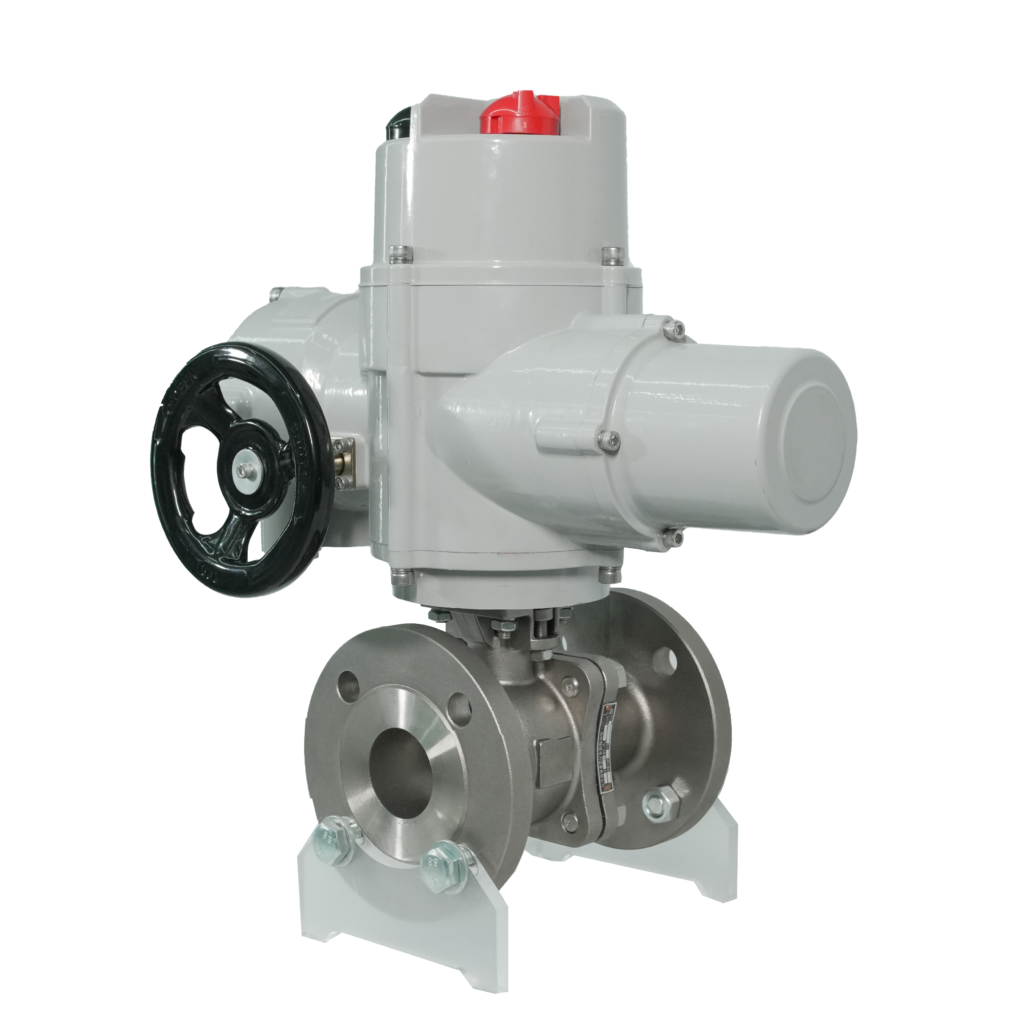
Traditional electric actuators require 15-100 seconds for a full stroke. BESTONE high-speed actuators achieve 1-2 seconds for on-off applications. The Highspd series delivers travel times 5 to 20 times faster than conventional electric actuators—for example, a 200 N·m model achieves a 15-second stroke time compared to 100 seconds for standard actuators.
Performance Specifications
| Parameter | Specification |
| Stroke Time (On-Off) | 1-5 seconds (depending on model) |
| Torque Range | 50 N·m to 6,000 N·m |
| Speed Advantage | 5-20× faster than conventional actuators |
| Control Signals | 4-20mA (modulating), DC24V/AC24V/passive contacts (on-off) |
| Voltage Options | AC220V, AC110V, DC24V |
| Continuous Operation | 24-hour continuous duty |
| Position Accuracy | ≤±1% basic error (modulating type) |
| Protection Features | Thermal motor protection, torque limiting |
Models and Sizing
| Model | Torque | Stroke Time | Compatible Valve DN |
| Highspd-5 | 50 N·m | 2.5 sec | DN25-100 |
| Highspd-10 | 100 N·m | 3.5 sec | DN80-150 |
| Highspd-50 | 500 N·m | — | DN200-300 |
| Highspd-200 | 2,000 N·m | 30 sec | DN400-500 |
| Highspd-400 | 4,000 N·m | 50 sec | DN600-700 |
| Highspd-600 | 6,000 N·m | — | DN800-1000 |
Key Advantages: Why High-Speed Actuators Outperform Solenoids
1. Elimination of Coil Burnout
Electric motors with thermal protection provide built-in overload and overheat protection, eliminating the sudden failure mode common with solenoid coils.
2. Full Position Feedback
Unlike blind solenoid valves, high-speed actuators provide position feedback (4-20mA or contacts) for remote monitoring, DCS/PLC integration, and real-time status confirmation.
3. Superior Media Handling
Ball valves driven by high-speed actuators handle dirty, particle-laden, viscous, and fibrous media without clogging—unlike the small orifices and spring mechanisms in solenoid valves.
4. Adjustable Speed Control
High-speed actuators allow adjustable speed settings to match application requirements—optimizing performance to reduce water hammer or mechanical shock.
5. Reduced Water Hammer
Electric actuators provide controlled acceleration and deceleration, reducing water hammer compared to the sudden opening/closing of solenoid valves.
6. Compact and Lightweight
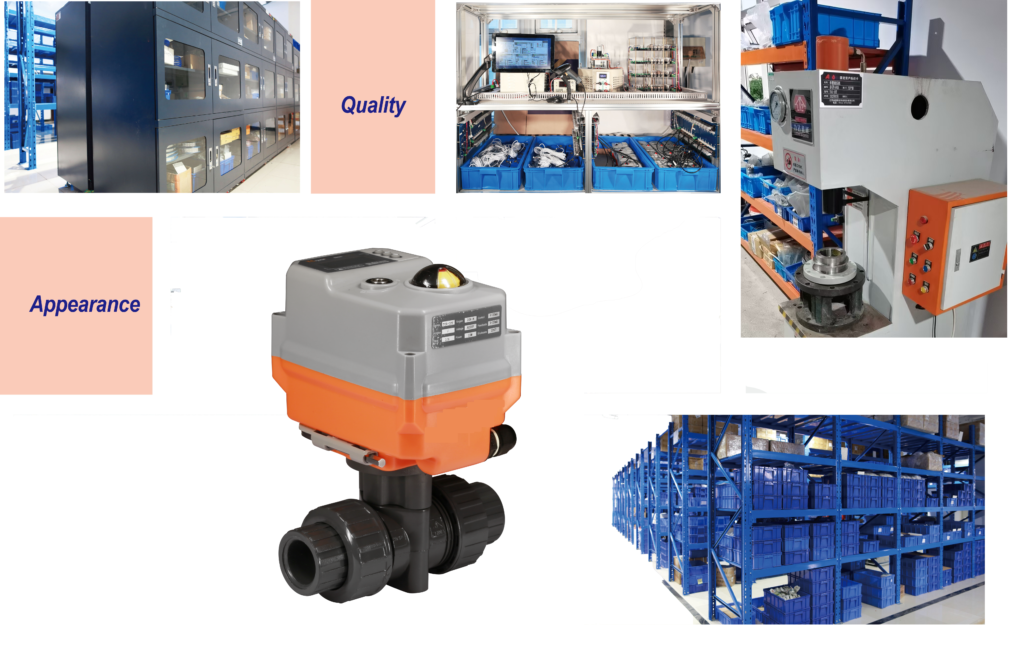
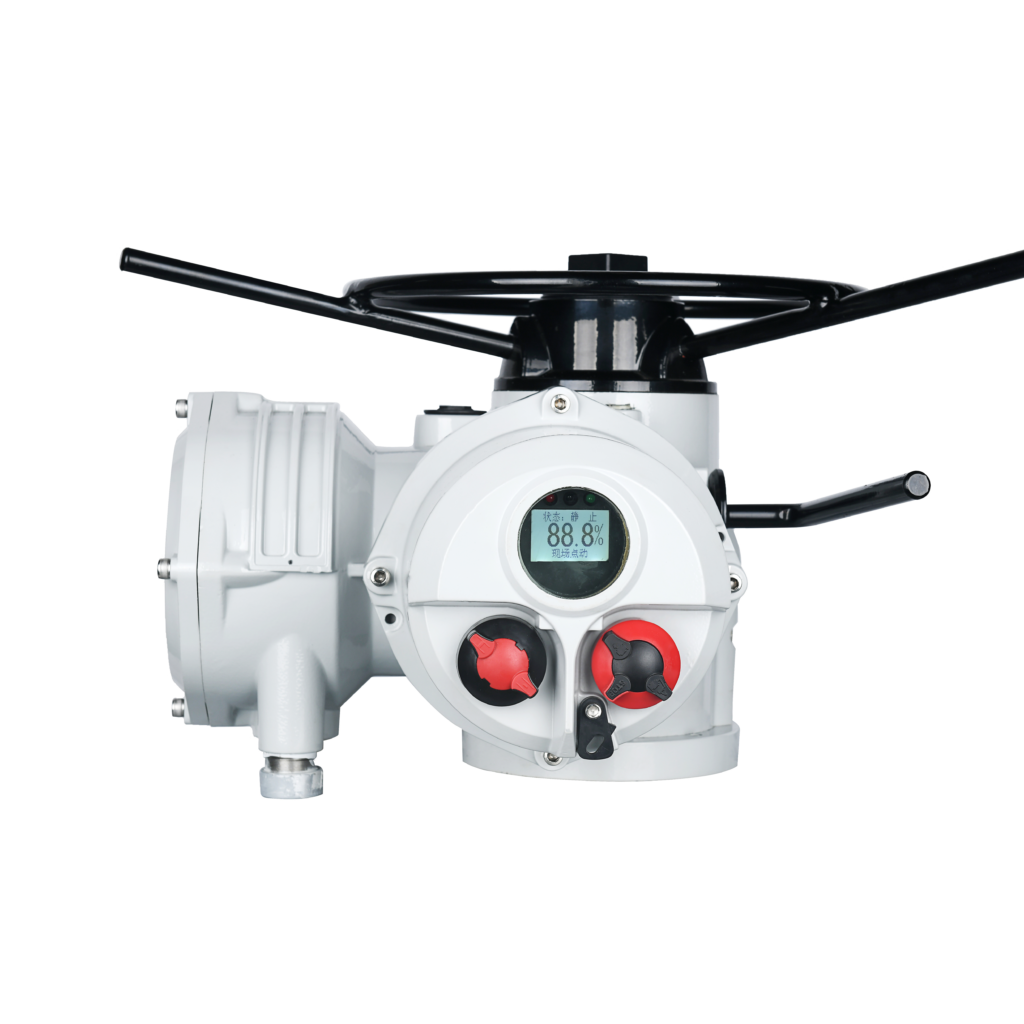
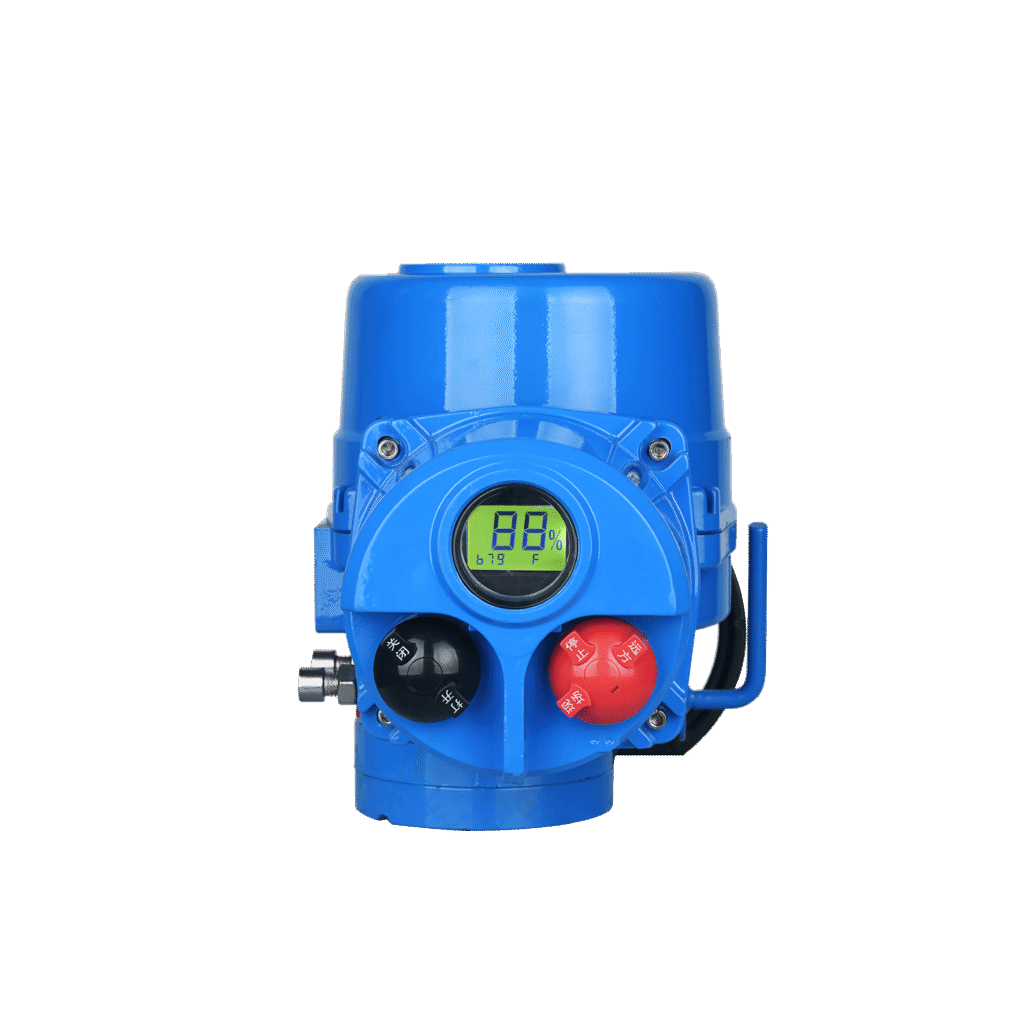
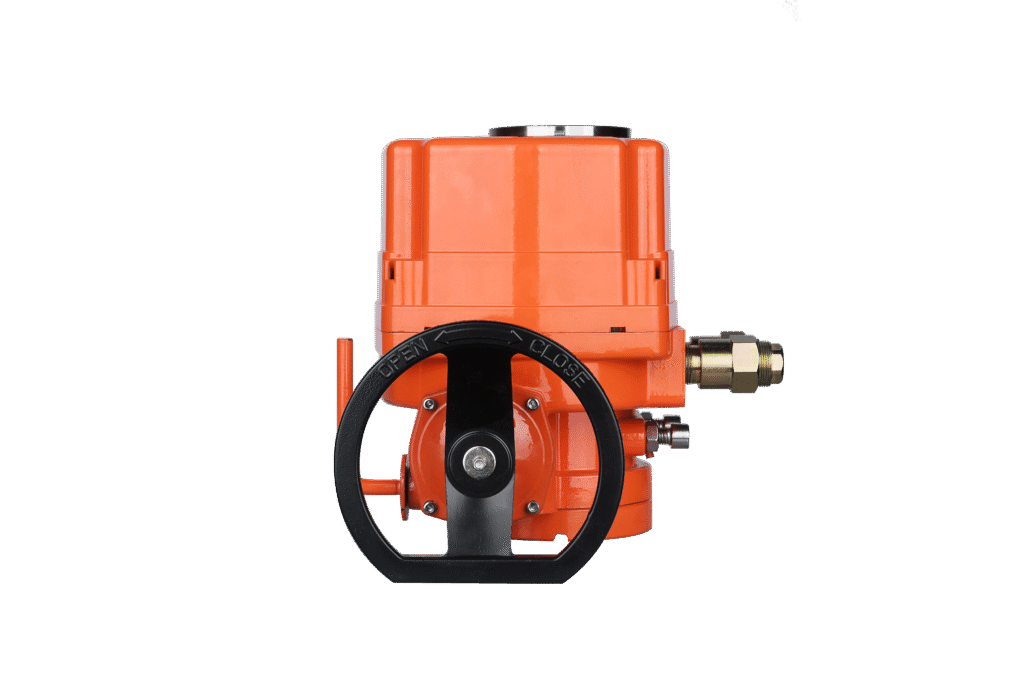
BESTONE high-speed actuators feature compact design—up to 1/3 smaller and lighter than conventional electric actuators—enabling installation in space-constrained environments.
Industry Applications
Water Treatment and Distribution
- Chemical dosing systems — precise 4-20mA control for coagulant and disinfectant addition
- Filter backwash control — fast, reliable on-off cycling with position feedback
- Distribution network automation — remote-controlled isolation valves
Oil and Gas
- Wellhead control — fast-acting emergency shutdown valves
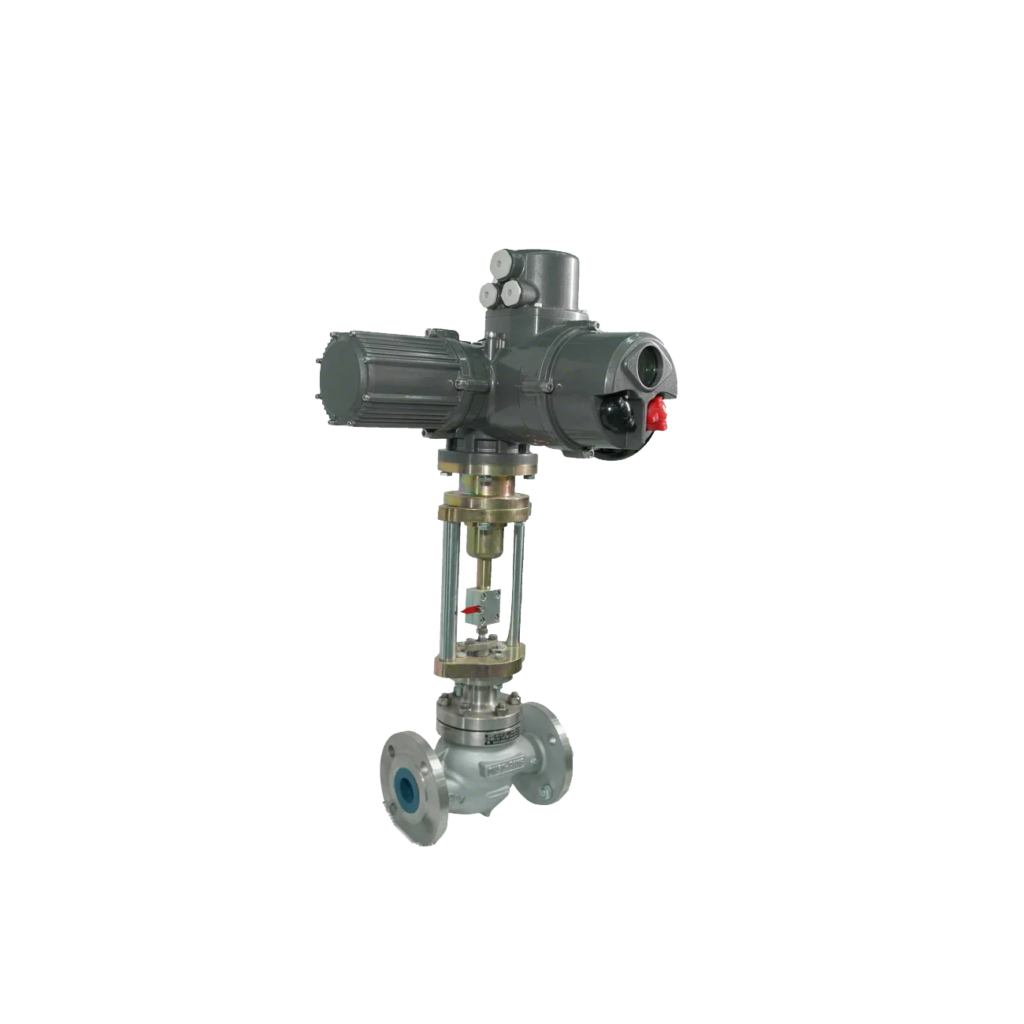
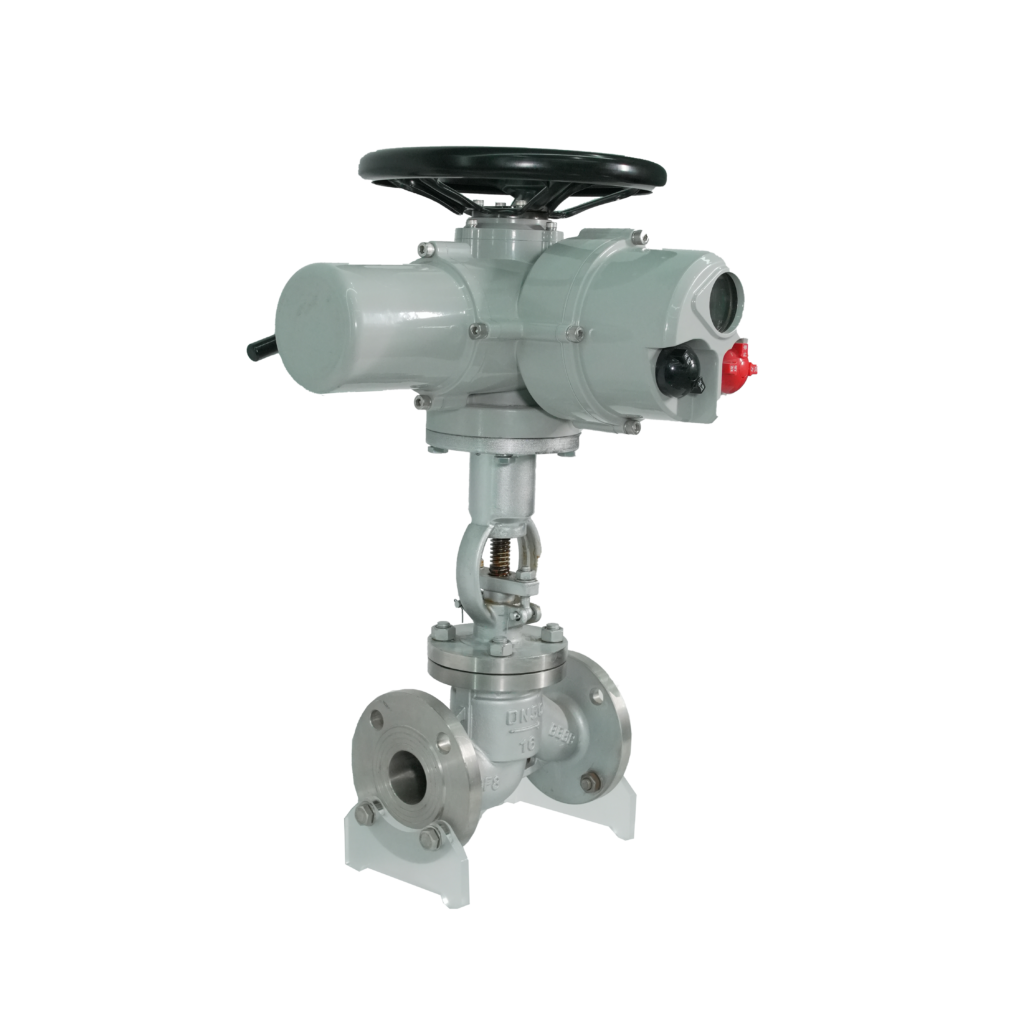
- Pipeline block valves — high-torque, high-speed isolation for large-diameter pipelines
- Tank farm operations — reliable on-off control with position confirmation
Chemical Processing
- Reactor feed control — high-frequency switching with continuous duty rating
- Corrosive media handling — ball valves with stainless steel and PTFE seals
- Safety interlock systems — position feedback for SIL-rated applications
Power Generation
- Boiler feedwater control — modulating control with ±1% accuracy
- Cooling water systems — fast-acting isolation valves
- Steam temperature control — high-temperature compatible configurations
Food and Beverage
- CIP/SIP systems — hygienic ball valves with position feedback
- Ingredient dosing — precise modulating control
- Packaging lines — high-speed on-off cycling
Comparison: High-Speed Actuator vs. Solenoid Valve
| Feature | BESTONE High-Speed Actuator | Solenoid Valve |
| Stroke Time | 1-5 seconds | Milliseconds |
| Position Feedback | Yes (4-20mA or contacts) | No (blind) |
| Coil Burnout Risk | No (thermal protection) | Yes (common failure mode) |
| Continuous Duty | Yes (24/7) | Limited |
| Clogging Resistance | Excellent (ball valve) | Poor (small orifices) |
| Media Compatibility | Wide (clean, dirty, viscous) | Limited (clean media preferred) |
| Control Options | On-off, modulating, digital | On-off only |
| Water Hammer | Reduced (controlled speed) | High (sudden opening) |
| Maintenance | Low | Moderate to high |
| Service Life | >40,000 cycles | Limited by coil life |
| Remote Monitoring | Yes (DCS/PLC integration) | Limited |
Solving Real-World Problems
Problem 1: Solenoid Coil Burnout in High-Cycle Chemical Dosing
A chemical plant was experiencing frequent solenoid valve failures on its coagulant dosing system. The solenoid coils would burn out every 4-6 weeks due to the continuous cycling, causing production interruptions and requiring regular maintenance.
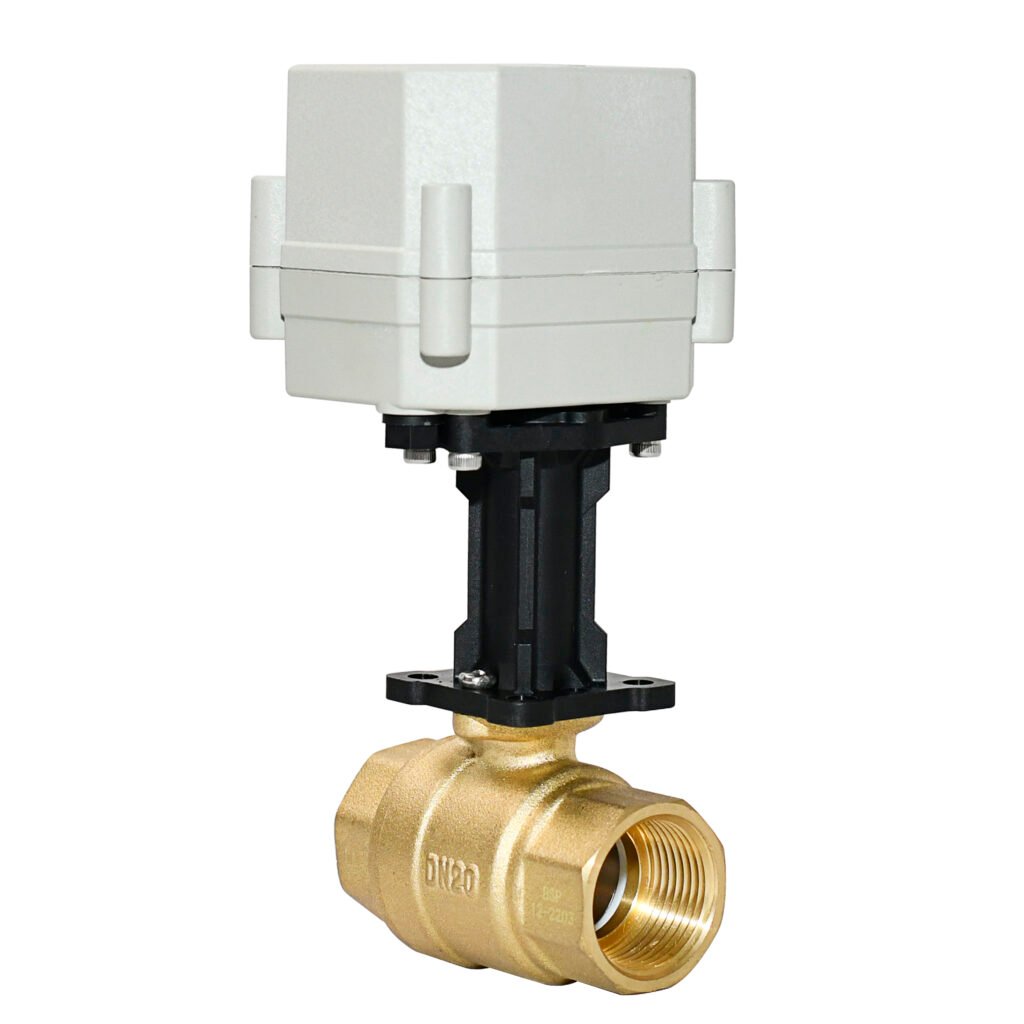
Solution: The plant replaced solenoid valves with BESTONE high-speed actuators paired with PVC ball valves. The result: zero coil failures in 18 months, continuous 24/7 dosing operation, and elimination of unplanned downtime. The plant saved over $25,000 annually in maintenance and replacement costs.
Problem 2: Position Uncertainty in Pipeline Block Valves
An oil pipeline operator had no way to confirm whether its remote-operated block valves were fully open or closed—solenoid valves provided no position feedback. This created safety risks during maintenance and emergency shutdown scenarios.
Solution: The operator replaced solenoid actuators with BESTONE high-speed actuators featuring 4-20mA position feedback. Now operators can remotely verify valve position from the control center, improving safety and enabling faster response during emergencies.
Problem 3: Clogging in Dirty Wastewater Media
A wastewater treatment facility used solenoid valves to control filter backwash cycles. Debris and suspended solids repeatedly clogged the solenoid orifices, requiring manual cleaning and delaying backwash cycles.
Solution: The facility installed BESTONE high-speed actuators on full-port ball valves. The shearing action of the ball valve cuts through debris, and the wide flow path eliminates clogging. The facility now experiences zero clogging incidents in 12 months of operation, and backwash cycles are completed on schedule.
Problem 4: Water Hammer Damage in Pipeline Systems
A water utility experienced frequent pipeline damage due to water hammer from solenoid valves slamming open and closed. Pipe joints and fittings required regular replacement.
Solution: BESTONE high-speed actuators were installed with adjustable speed control. By programming a controlled opening/closing speed, water hammer was virtually eliminated. The utility reports a 70% reduction in pipe replacement costs since the installation.
Problem 5: Lack of Remote Monitoring in Tank Farm Operations
A tank farm used solenoid valves for isolation but had no visibility into valve status from their SCADA system. Routine checks required manual site visits.
Solution: BESTONE high-speed actuators with 4-20mA position feedback replaced the solenoid valves. Now tank farm isolation valves are fully visible in the SCADA system, enabling remote monitoring and reducing site visits by 40%.
Comparison: High-Speed Actuator vs. Solenoid Valve
| Feature | BESTONE High-Speed Actuator | Solenoid Valve |
| Stroke Time | 1-5 seconds | Milliseconds |
| Position Feedback | Yes (4-20mA or contacts) | No (blind) |
| Coil Burnout Risk | No (thermal protection) | Yes (common failure mode) |
| Continuous Duty | Yes (24/7) | Limited |
| Clogging Resistance | Excellent (ball valve) | Poor (small orifices) |
| Media Compatibility | Wide (clean, dirty, viscous) | Limited (clean media preferred) |
| Control Options | On-off, modulating, digital | On-off only |
| Water Hammer | Reduced (controlled speed) | High (sudden opening) |
| Maintenance | Low | Moderate to high |
| Service Life | >40,000 cycles | Limited by coil life |
| Remote Monitoring | Yes (DCS/PLC integration) | Limited |
Conclusion
For decades, engineers accepted the limitations of solenoid valves because no better alternative existed. That is no longer the case. BESTONE high-speed electric actuators deliver the speed required for demanding on-off and modulating applications while eliminating the failure modes that plague solenoid valves—coil burnout, blind operation, clogging, and limited duty cycles.
With stroke times as fast as 1-5 seconds, torque up to 6,000 N·m, position feedback as standard, and 24/7 continuous operation capability, BESTONE high-speed actuators provide a truly smarter alternative. Real-world installations have demonstrated:
- Zero coil burnout in high-cycle applications
- 100% position visibility for remote monitoring
- Zero clogging in dirty media applications
- 70% reduction in water hammer-related pipe damage
- 40% reduction in site visits for status verification
- $25,000+ annual savings in maintenance and replacement costs
Whether you are in water treatment, oil and gas, chemical processing, power generation, or food and beverage, BESTONE high-speed electric actuators offer the speed, reliability, and intelligence that solenoid valves simply cannot provide. It is time to make the switch.