
In modern HVAC and industrial cooling systems, maintaining precise temperature control is not a luxury, it is an operational necessity. Data centers, commercial buildings, pharmaceutical facilities, and manufacturing plants all depend on chilled water systems to remove heat reliably and efficiently. Yet the heart of these systems, the continuous modulation of chilled water flow, remains one of the most persistent challenges in fluid control engineering.
Traditional on/off valves cannot handle the dynamic loads of modern cooling systems. They are either fully open or fully closed, creating temperature swings, pump inefficiency, and energy waste. The solution lies in electric modulating valves, devices that continuously adjust flow in response to real-time load demands, achieving the precision, efficiency, and stability that today’s critical environments require.
This post explores how electric valves solve the problem of continuous chilled water flow modulation, the engineering principles behind their operation, and why they have become indispensable in applications ranging from data center cooling to commercial HVAC.
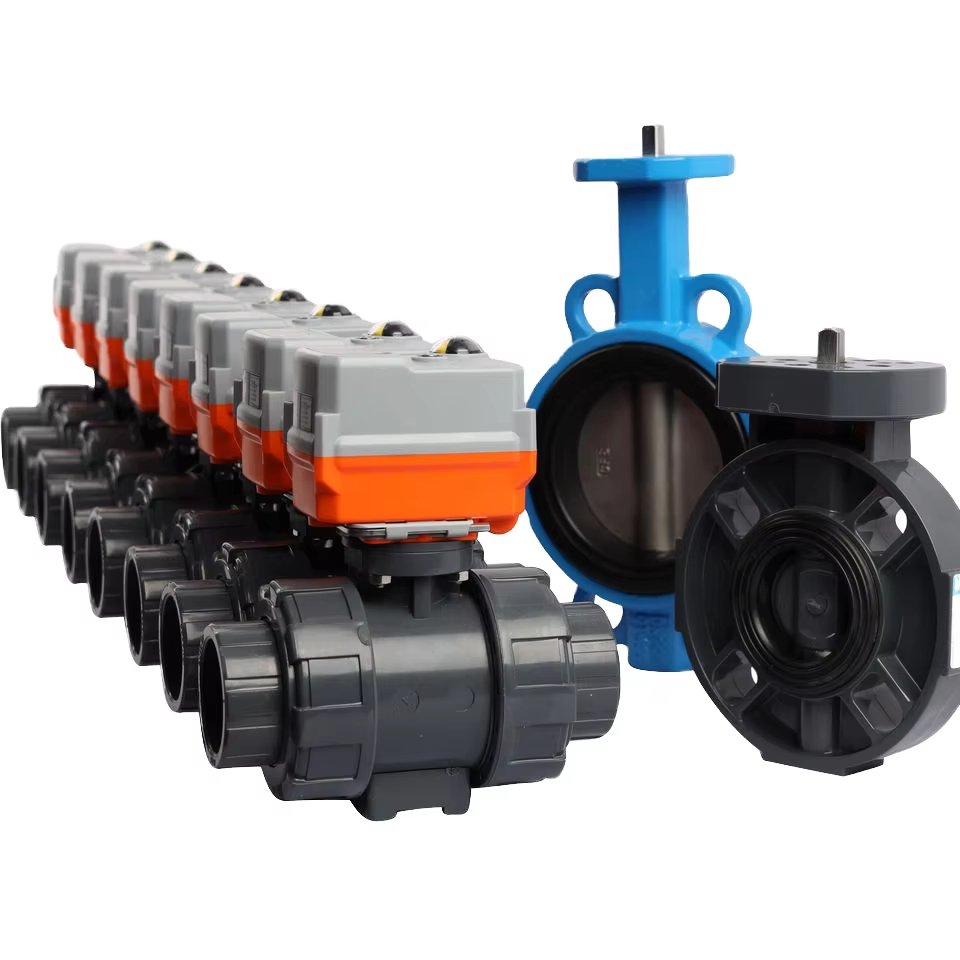
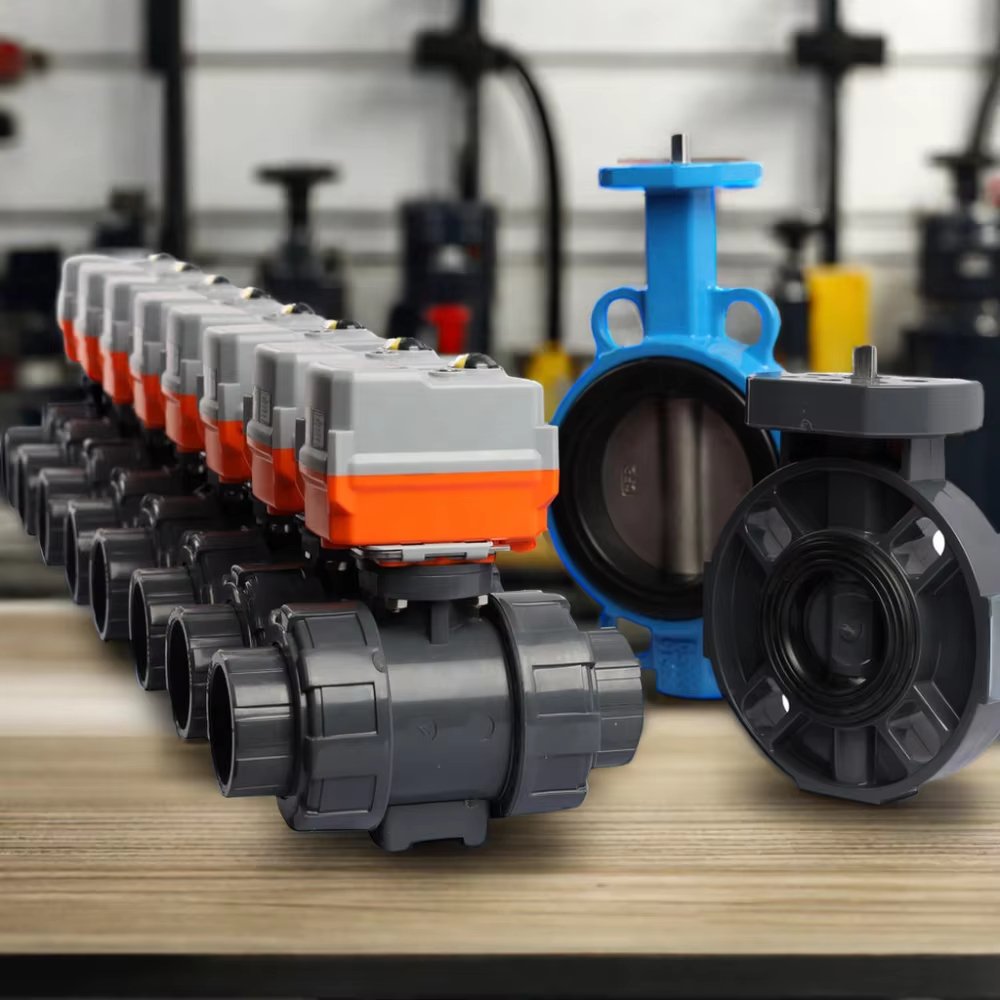
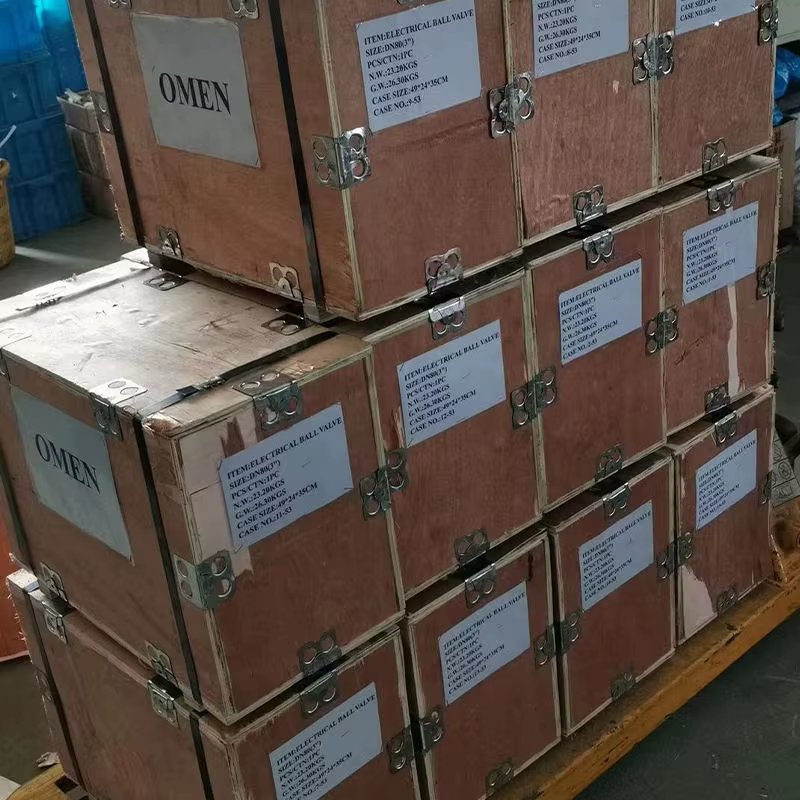
TL;DR – Key Takeaways for HVAC and Facility Professionals
1. The Problem: Chilled water systems experience constantly changing loads. Traditional on/off valves cannot respond dynamically, causing temperature fluctuations, pump inefficiency, and energy waste of 6-20% .
2. The Solution: Electric modulating valves continuously adjust flow using 4-20mA, 0-10V, or 2-10V control signals, achieving positioning accuracy of ±0.63% and fine flow adjustment to match real-time cooling demands .
3. Continuous Modulation: Unlike on/off valves, electric valves provide proportional control—opening to 30%, 50%, or 75% as needed—maintaining stable temperatures and reducing mechanical stress on pumps and chillers .
4. BMS Integration: Electric valves integrate directly with Building Management Systems (BMS) and DCIM platforms, enabling remote monitoring, real-time position feedback, and automated system optimization .
5. Energy Savings: Dynamic balancing and precise flow control reduce pumping energy consumption by 6-20% while improving system stability and reducing water hammer .
6. BESTONE Advantage: Our electric modulating valves combine 0.63% positioning accuracy, 100% duty cycle capability, and BMS-ready communication delivering the precision and reliability that demanding chilled water applications require .
Why Continuous Flow Modulation Matters
The Problem with On/Off Control
In a chilled water system, loads are rarely constant. Server heat loads fluctuate with computational demand. Building occupancy changes throughout the day. Process cooling requirements shift with production schedules. Yet traditional on/off valves the simplest form of flow control, operate in only two states: fully open or fully closed.
The consequences are significant:
- Temperature swings as the valve cycles between full flow and no flow
- Pump energy waste from maintaining constant pressure regardless of load
- Mechanical stress on pumps, pipes, and chillers from sudden flow changes
- Reduced equipment life due to frequent thermal and mechanical cycling
The Case for Modulating Control
Electric modulating valves offer a fundamentally different approach. They receive a continuous control signal—typically 4-20mA, 0-10V, or 2-10V—and position the valve proportionally . If the system requires 50% flow, the valve opens to 50%. If it requires 30%, it opens to 30%. This proportional control means flow exactly matches load, with no waste, no swings, and no unnecessary stress on system components .
How Electric Modulating Valves Work
The Control Loop
A typical chilled water modulating control loop operates as follows:
- Temperature sensors monitor chilled water supply/return temperatures or space conditions
- The controller compares actual conditions to setpoints and calculates required flow
- A control signal (4-20mA or 0-10V) is sent to the electric valve actuator
- The actuator drives the valve to the commanded position
- Position feedback confirms the valve has reached the intended opening
This closed-loop control is continuous and automatic, adjusting flow hundreds or thousands of times per day to match changing loads .
Valve Position Feedback and System Coordination
Position feedback is critical for effective chilled water modulation. It allows the BMS or DCIM to confirm valve position, detect faults, and coordinate multiple valves across the system .
In advanced systems, valve position data is used for impedance-based optimization. When electric valves modulate, the resistance coefficient of each pipeline changes, affecting total system impedance and flow. Modern control algorithms monitor these changes and adjust pump speed accordingly—maintaining optimal pressure differential while minimizing energy consumption .
“The position of electric modulating valves affects the cooling or heating provided to the supply air. By monitoring valve position, the BMS can optimize system performance and minimize energy consumption.”
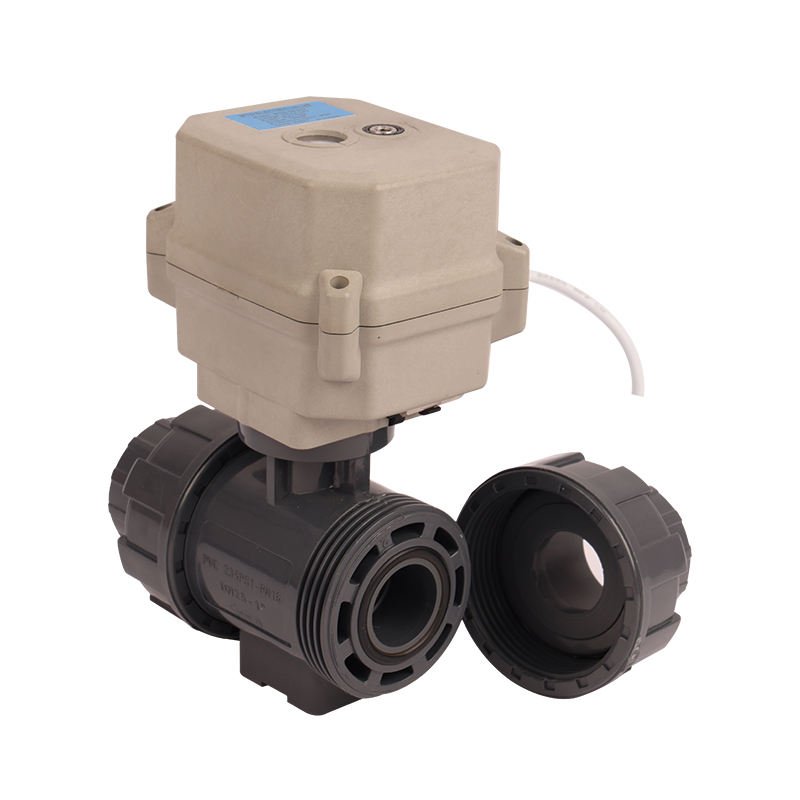
Key Technical Specifications
Positioning Accuracy and Resolution
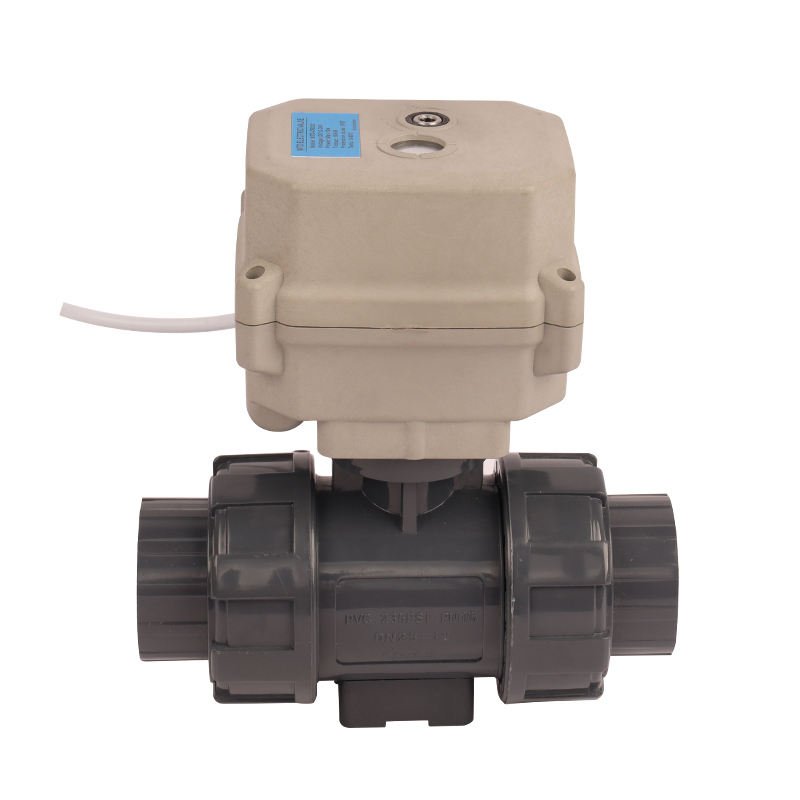
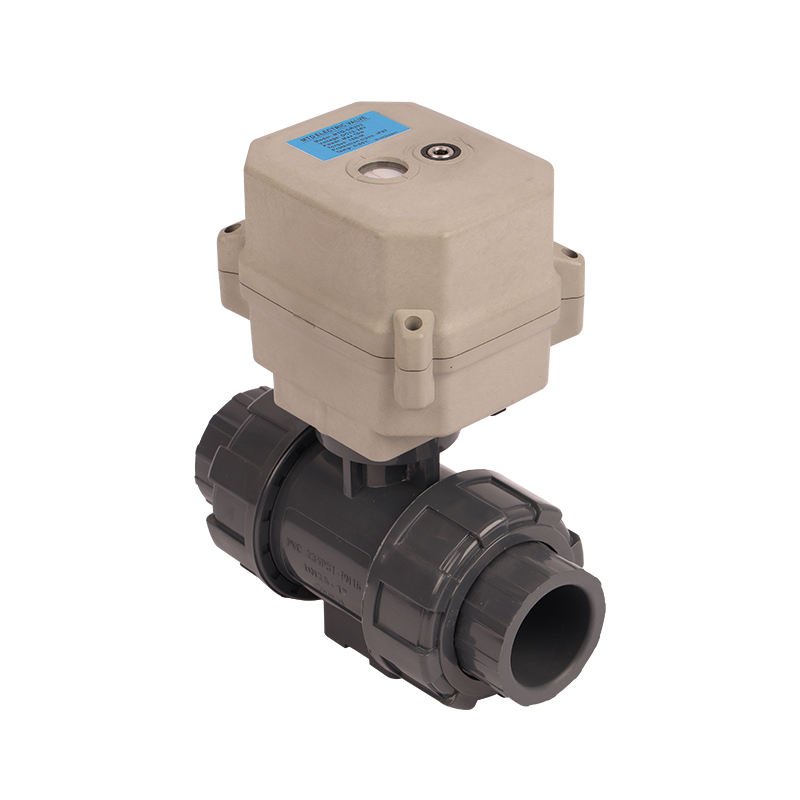
For chilled water systems, positioning accuracy determines how precisely flow can be matched to load. BESTONE electric modulating valves achieve:
This level of precision enables the fine flow adjustments needed when balancing parallel cooling paths or tuning coil performance against variable supply temperatures .
Duty Cycle and Reliability
Chilled water modulating valves cycle continuously—often repositioning every few seconds. BESTONE valves feature brushless DC motors with over-temperature, over-current, and stall protection, supporting 100% duty cycle operation per IEC 60034-1 . This ensures reliable performance in frequent, incremental position changes typical of modulating cooling loops .
Compatibility and Integration
Electric modulating valves integrate with:
- Building Management Systems (BMS) — for centralized monitoring and control
- DCIM platforms — for data center infrastructure management
- PLC and DDC controllers — for custom automation sequences
Input signals commonly include 4-20mA, 0-10V, 2-10V, and digital communication options such as Modbus RTU, Profibus DP, and BACnet.
Solving Real-World Chilled Water Problems
Problem 1: Dynamic Heat Loads in Data Centers
Scenario: A data center AI training run spins up thousands of GPUs simultaneously. Heat load jumps 300% in seconds. Chilled water demand must increase immediately to prevent thermal throttling or equipment damage.
Solution: BESTONE electric modulating valves receive 4-20mA signals from the DCIM system and adjust flow in real time. With positioning accuracy of ±0.63%, the system matches heat load precisely, maintaining supply temperature stability and optimizing cooling efficiency .
Problem 2: Pump Energy Waste
Scenario: A large commercial building’s chilled water system uses constant-speed pumps and on/off valves. At partial loads, the system wastes significant pumping energy.
Solution: By replacing on/off valves with BESTONE modulating valves, the system enables pressure-independent control. The valves maintain constant flow regardless of pressure fluctuations, reducing pumping energy by 6-20% while eliminating overflow and improving system stability .
Problem 3: Water Hammer and System Damage
Scenario: On/off valves in a chilled water distribution network slam open and closed, creating pressure surges that damage pipe joints and fittings.
Solution: BESTONE electric modulating valves feature programmable end-of-stroke speed adjustment, reducing water hammer risk in shared header piping . Controlled acceleration and deceleration protect piping infrastructure and extend equipment life.
Problem 4: System Coordination
Scenario: A chilled water system has multiple AHUs, FCUs, and cooling coils. Coordinating individual valve positions to optimize overall system performance requires constant adjustment.
Solution: BESTONE valves with position feedback and BMS integration enable system-wide coordination. The BMS monitors valve position, return air temperature, and load conditions, issuing commands to achieve optimal chilled water distribution .
Comparison: Electric Modulating Valve vs. Alternatives
Conclusion
Continuous chilled water flow modulation is one of the most critical challenges in modern HVAC and industrial cooling systems. Electric modulating valves provide the precision, reliability, and intelligence required to meet dynamic loads while minimizing energy consumption and protecting equipment.
With positioning accuracy of ±0.63%, 100% duty cycle capability, BMS integration, and energy savings of 6-20%, BESTONE electric modulating valves deliver the performance that data centers, commercial buildings, and process facilities demand .
Whether you are cooling thousands of AI servers, managing a commercial building’s HVAC system, or controlling a pharmaceutical manufacturing process, BESTONE electric modulating valves provide the continuous flow control you need—with the reliability and efficiency your operation requires.